
Sano cricket, Tochigi streetwear, Aichi subculture, hostile architecture Tokyo, Japanese fashion migration, bloke core Japan, regional youth culture
The Enclosure of the Asphalt Playground
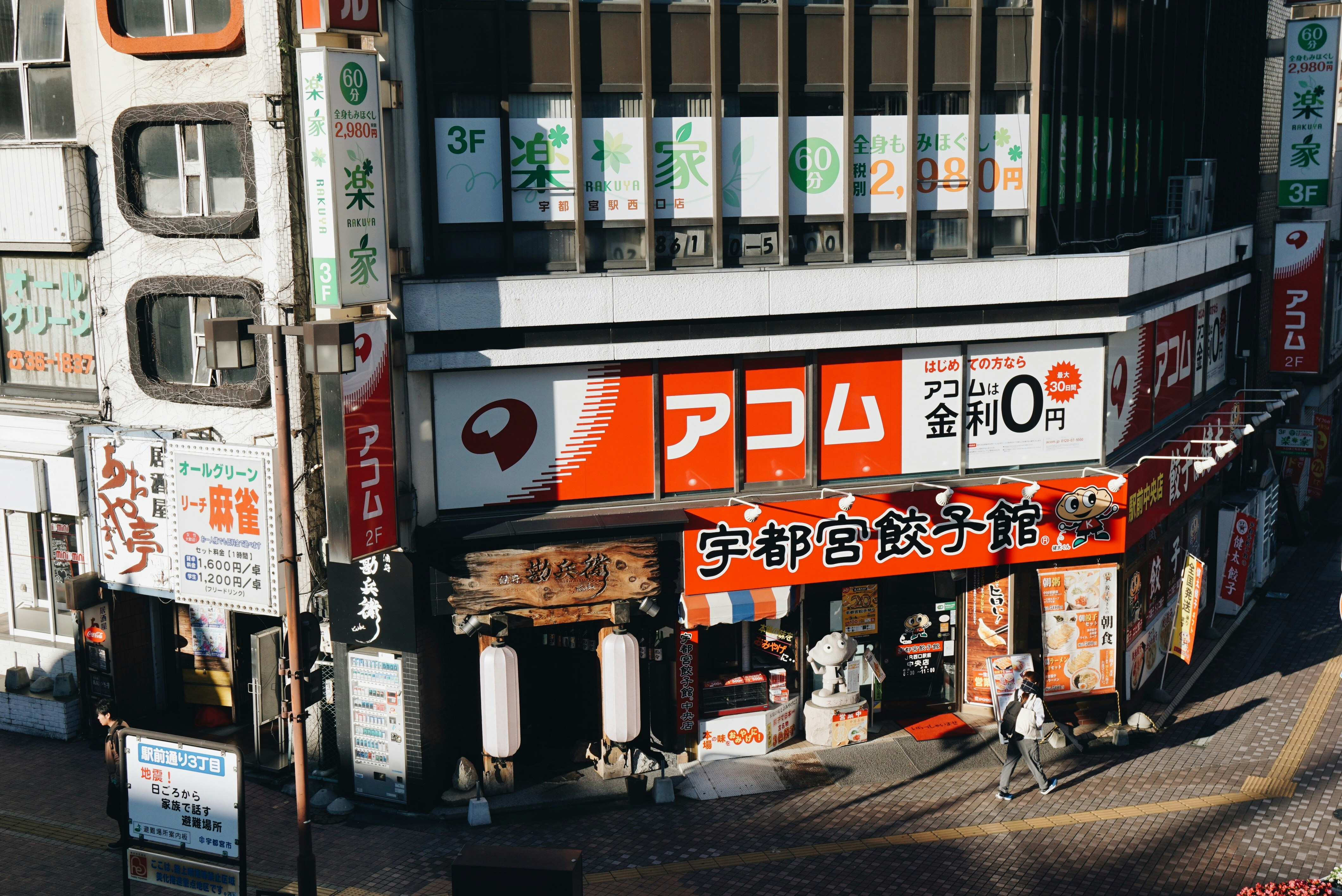
If you sit on the curb outside the western exit of Shinjuku Station long enough, you will eventually see the man with the clipboard. He is not a municipal worker or a transit cop. He is a private security asset hired by a real estate consortium, and his entire career is dedicated to the eradication of the pause. In modern Tokyo, to stand still without a commercial receipt in your hand is to commit a quiet act of heresy. The benches at the main plazas have been replaced by sloping metal partitions that prevent sitting. The ledges where three generations of Tokyo skaters once practiced their flip tricks have been retrofitted with jagged steel bolts. Miyashita Park, once a sprawling, gritty haven for the city’s unhoused populations and underground breakdancers, has been lifted off the ground, scrubbed clean, and transformed into the roof of a luxury boutique shopping complex where a cup of drip coffee costs twelve hundred yen.
This is the hyper-sanitized reality of the capital. It is a city engineered by corporate capital to maximize throughput and eliminate friction. For decades, the global mythos of Tokyo was built entirely on its subcultures, the neon-drenched alleys of Harajuku, the basement noise venues of Koenji, and the midnight skate sessions through the plazas of Chuo Ward. But subcultures require grease. They require cheap rent, unmonitored architecture, and squares of concrete where a group of people can gather without a facial recognition camera flagging them for loitering. As the yen fluctuates and international luxury tourism turns the inner wards into an exclusive theme park for wealthy outsiders, the youth who actually invent the culture are finding themselves priced out, squeezed out, and watched too closely.
The response to this claustrophobia is not a political protest. It is a mass migration toward the periphery. Across the flat plains of the Kanto region and deep into the industrial valleys of the Chubu district, a quiet decentralization is taking place. Creative subcultures are packing their samplers, their skateboards, and their sewing machines into the backs of kei vans and heading toward places that the Tokyo elite have long considered flyover country. They are following the concrete. Specifically, they are heading toward massive regional sports infrastructures and specialized recreational complexes that were built during the bubble era or funded by industrial tax bases. Places like Sano in Tochigi Prefecture and the sprawling industrial parks of Aichi have accidentally become the new laboratories of Japanese counterculture.
The Turf of the North
To understand this shift, you have to take the Tobu Sano Line north through the flat, agricultural heart of Kanto. The landscape flattens out into an endless grid of rice paddies, convenience store parking lots, and low-slung corrugated steel warehouses. Sano is a city that the average Tokyoite only knows for two things: a specific style of shoyu ramen with hand-pounded noodles and a massive premium designer outlet mall sitting right off the highway. But if you get off the train at Tanuma Station and walk ten minutes past the quiet residential plots, the air changes. You are greeted by the sharp, rhythmic crack of willow wood hitting leather.
This is the Sano International Cricket Ground. It sits on the cemetery of Tanuma High School, a public institution that shut its doors permanently as the rural population dried up. Where teenagers once sat through mandatory home economics classes, there is now the administrative heart of the Japan Cricket Association. The local government, desperate to find a unique identity to prevent the town from dissolving into demographic irrelevance, poured four hundred million yen into transforming a dead school into an international-standard sporting venue.
On any given weekend during the humid summer months, this field is the most culturally electric piece of land in the country. The crowds that assemble here do not look like the audiences at Tokyo fashion week, but they are increasingly determining what the next five years of Japanese street style will look like. The players on the turf are a kinetic mix of South Asian migrant workers, second-generation Pakistani-Japanese teenagers from neighboring Saitama, and university students who picked up the sport because it felt entirely detached from the rigid, hierarchical world of corporate Japanese baseball.
Around the perimeter of the oval, a completely uncurated lifestyle ecosystem has taken root. Independent clothing designers from Tokyo who grew tired of paying half a million yen a month for a concrete box studio in Shibuya have started setting up temporary stalls along the grass. They are not selling high-concept runway pieces. They are selling bootleg athletic wear, heavy-gauge cotton jerseys that remix traditional cricket whites with late-90s London rave aesthetics, and technical windbreakers designed to survive both a sudden Tochigi thunderstorm and a long night behind a DJ booth.
The music blasting from the portable sound systems set up near the practice nets is a strange, intoxicating blend of UK garage, Punjabi drill, and subterranean Japanese ambient techno. The sound is raw because there is no one around to complain about the bass. The nearest neighbor is a persimmon orchard half a kilometer away. In Tokyo, a sound system of this size would result in five police cruisers arriving within six minutes. Here, the local grandmothers walk past with their shopping carts and occasionally stop to buy a plate of halal chicken biryani from a food truck operated by a former textile worker from Lahore.
This is not the superficial diversity celebrated in corporate advertisement campaigns. It is a functional, blue-collar multiculturalism born out of shared geographic isolation and a mutual need for space. The creative youth of Tokyo are coming to Sano because the cricket fields offer something the capital can no longer provide: an unmonitored commons. When the matches end, the pavilions do not empty out. They turn into makeshift design workshops and skate parks. The long, flat asphalt paths that once led to the high school bike racks have been discovered by a generation of longboarders and street videographers who use the rural industrial backdrop as a cinematic canvas that feels entirely distinct from the overexposed neon cliches of Shinjuku.
The Industrial Underbelly
If Sano represents the green, open pastoral escape, then Aichi Prefecture is the heavy metal alternative. Aichi is the undisputed engine room of the Japanese economy. It is a landscape dominated by the titanic footprint of the Toyota Motor Corporation and the hundreds of secondary manufacturing plants, stamping factories, and logistics hubs that feed the global automotive beast. It is a place where the air smells of machine oil, ocean freight, and fresh asphalt.
Because of this massive industrial tax base, the municipal governments of Aichi have historically been rich. During the late nineties and early two thousands, while Tokyo was busy selling off its public land to private developers, towns across Aichi were building massive, state-of-the-art sporting complexes. Places like the Sky Hall in Toyota City, the Okazaki Central Park Gymnasium, and the sprawling complexes down in Toyohashi were built with a scale and architectural ambition that feels almost imperial.
These complexes were originally intended to host corporate volleyball leagues and municipal martial arts tournaments. Instead, they have been colonized by a massive, multi-ethnic youth underground. Aichi has one of the highest concentrations of foreign residents in Japan, largely driven by the dekasegi immigration policies that brought tens of thousands of Brazilian and Peruvian nationals of Japanese descent to work in the factories.
Walk into the concrete plazas surrounding the Okazaki Central Park Gymnasium on a Tuesday night, and the dominant language you hear is Portuguese. The subculture here is built on a framework of heavy modification, both of vehicles and garments. The youth have taken the massive, empty parking structures and wide, immaculate access roads of the sports complexes and turned them into the epicenter of a localized street culture that blends Brazilian sound-car culture with classic Japanese drifting aesthetics.
The fashion coming out of these Aichi complexes is completely indifferent to the delicate, gender-fluid minimalism that dominates the boutiques of Daikanyama. It is an aesthetic rooted in the reality of the factory floor. You see oversized Carhartt jackets that have been customized with traditional Japanese silk embroidery, heavy industrial work boots paired with soccer jerseys from Sao Paulo clubs, and technical sportswear that looks like it was stolen from a pit crew at the Suzuka Circuit.
Independent design collectives have begun sprouting up in the industrial rust belt towns of Anjo and Kariya. These kids are buying up abandoned machine shops and transforming them into screen-printing studios and underground electronic music venues. They are operating on a financial model that is impossible in Tokyo. When your rent is thirty thousand yen a month for a three-story warehouse, you do not need to appeal to the mass market. You do not need to create commercial clothing that pleases a department store buyer. You can make twenty pieces of a hyper-specific, experimental jacket and sell them directly to the skaters and car tuners who hang out at the sports parks.
The music reflects this industrial weight. The Aichi underground scene is defined by a brutalist, bass-heavy strain of hip-hop and techno that feels directly inspired by the constant, rhythmic thud of the stamping presses. Producers here are utilizing the natural acoustics of the concrete stadium underpasses to record music, capturing the massive, cavernous reverb that you simply cannot replicate in a soundproofed Tokyo bedroom studio. It is a sonic identity that is aggressive, unpolished, and completely authentic to its environment.
The Architecture of Avoidance
The decentralization of these subcultures is directly tied to the concept of hostile architecture in the capital. Over the past decade, Tokyo has engaged in a systematic war against any public space that cannot be monetized. The urban planning philosophy of the city is now based on transit and consumption. You are encouraged to walk from the train station to the shop, and from the shop back to the train station. If you attempt to occupy the space between those two points for any purpose other than walking, the environment itself rebels against you.
Consider the design of the newest public spaces in Chiyoda Ward. The ledges are rough-cut stone designed to ruin skateboard trucks. The lighting is tuned to a clinical, bright white that discourages romantic gatherings or artistic loitering after dark. Public restrooms are increasingly locked after 10 PM, or fitted with blue lights meant to prevent drug use but which ultimately make the spaces feel like high-security detention facilities.
In contrast, the regional sports infrastructures of Tochigi and Aichi were designed during an era when public work projects were meant to demonstrate the wealth and benevolence of the state. They are characterized by massive, unnecessary concrete plazas, grand brutalist overhangs that provide shelter from the rain, and miles of smooth, high-grade asphalt that were originally meant for parking thousands of cars during regional athletic meets.
For a street skater or an independent street wear brand looking to shoot a lookbook, these regional complexes are a paradise of unmonitored architecture. There are no private security firms patrolling the outer perimeters of a sports park in Toyohashi at two in the morning. There are no ordinances preventing you from setting up a battery-powered generator, plugging in a set of turntables, and turning a concrete stadium ramp into a temporary runway or dance floor.
The lack of surveillance creates a profound psychological shift in the creators themselves. In Tokyo, every piece of art, fashion, or music produced by the youth underground is tinted by an awareness of the gaze. Creators are constantly thinking about how their work will look on a social media feed, how it will fit into the competitive ecosystem of the city’s established subcultures, and whether it will attract the attention of a corporate scout looking to commodify it.
Out on the turf of Sano or in the industrial shadows of Aichi, that pressure disappears. The work becomes weirder. It becomes more functional. It is allowed to fail. A clothing line designed in an abandoned high school in Tochigi does not need to look good under the soft lights of a Shibuya boutique. It needs to look good when you are sitting on a cooler behind the cricket pavilion, drinking a cold beer and watching the rain come down over the mountains.
The Myth of Homogeneity
There is a significant political dimension to this geographic shift that most mainstream cultural commentators are hesitant to touch. For decades, the political establishment in Tokyo has promoted a carefully manufactured narrative of Japanese cultural homogeneity. It is a myth that suggests that despite minor regional differences, the nation moves with a single, synchronized heartbeat.
The regional sports hubs are completely dismantling this fiction. By providing a home for cricket in Sano and street subcultures in Aichi, these spaces have become the frontline of a new, multi-ethnic Japanese identity. The creative output coming from these areas is inherently hybrid. It is the work of kids who have grown up with one foot in the traditional world of rural Japan and the other in the globalized, digital diaspora of their parents’ home countries.
In Sano, you see this hybridity manifest in the culinary and visual culture that surrounds the cricket grounds. The local ramen shops, which have been family-owned for generations, are quietly adapting to their new clientele. It is no longer unusual to find a bowl of Sano ramen made with a completely halal chicken broth, seasoned with spices that were imported from Karachi but prepared using the exact hand-pounding techniques that the shop owners learned from their grandfathers.
The clothing designers working out of this space are documenting this collision. The visual language of their brands is a mix of traditional Japanese agricultural workwear, like the heavy canvas monpe trousers, and the graphic iconography of international cricket clubs. It is an aesthetic that feels entirely organic because it is born out of the practical necessities of the lifestyle. You wear heavy canvas because you are working in a cold studio in the winter, but you wear an athletic jersey because you spend your afternoons running around a field in thirty-five-degree heat.
In Aichi, the collision is even more stark. The Brazilian dekasegi community has been in the region for over thirty years, meaning that we are now seeing the rise of a third generation that has never lived in South America but is still not fully accepted by mainstream Japanese society. They are using the space provided by the regional sports complexes to articulate a unique form of cultural resistance.
Their style is loud, heavy, and unapologetically exhibitionist. It is a direct middle finger to the quiet, conformist modesty that is still expected in traditional Japanese corporate environments. When they gather at the sports complexes with their modified cars and custom clothing lines, they are claiming a piece of Japan as their own. They are stating that the industrial heartland belongs to the people who turn the wrenches and operate the cranes, not just the executives sitting in the glass towers in Nagoya or Tokyo.
The Economic Reality of the Escape
We cannot talk about culture without talking about money. The romantic image of the starving artist living in a garret in Paris or a cold-water flat in New York has always been dependent on the existence of a secondary economy that allows those artists to survive. In Tokyo, that secondary economy has been systematically obliterated.
Until the mid-twenties, a young creative could move to Tokyo, work three days a week at a convenience store or a coffee shop, and make enough money to rent a microscopic apartment in Setagaya and fund their art or fashion project. That equation no longer works. The inflation of basic goods, the stagnation of wages, and the skyrocketing cost of real estate have turned Tokyo into a trap. If you work a low-wage service job in the capital today, you are spending ninety percent of your income on survival. There is no money left over for fabric, paint, vinyl records, or camera film.
The regional migration is, at its core, a survival strategy. The economics of a town like Sano are absurdly favorable to the creative class. An independent designer can lease an entire two-story traditional wooden house that has been sitting empty for a decade for less than the cost of a parking space in Roppongi. This financial liberation changes the nature of production.
When you are no longer trapped on the treadmill of high rent, the pressure to produce high-turnover, commercially safe products vanishes. A designer can spend six months researching natural dye techniques using local Tochigi indigo without worrying about whether they will be able to afford groceries next month. A musician can spend weeks tweaking the frequency of a single bassline because they do not need to rush an album out to pay for their studio time.
This economic reality is causing a structural shift in the fashion and design industries. For a long time, the path to success for a young Japanese brand was entirely linear: you moved to Tokyo, you attempted to get your pieces into a major department store or an influential select shop in Harajuku, and you hoped that a major fashion magazine would write a paragraph about you.
Today, that path is increasingly irrelevant. The designers setting up around the regional sports ovals are bypassing the Tokyo gatekeepers entirely. They are utilizing digital platforms to sell directly to a global audience that values the raw, specific authenticity of regional production. A kid in London or New York does not care if a brand has a shop in Shibuya. In fact, they are far more fascinated by the idea that the jacket they are buying was handmade in an old schoolhouse near a cricket field in the mountains of Tochigi.
The Inevitable Friction
It would be a mistake to paint this decentralization as a completely harmonious, utopian process. The migration of young, loud, multi-ethnic subcultures into the conservative heartlands of regional Japan is creating significant social friction. Japan’s rural prefectures are historically insular, governed by complex social codes and elderly town councils that view any sudden change with intense suspicion.
In Sano, the arrival of the cricket community was initially met with quiet resistance. Local residents were uncomfortable with the sudden influx of foreign faces and the changing auditory landscape of their quiet town. There were complaints about the noise from the practices, the smell of unfamiliar spices drifting from the pavilion kitchens, and the general disruption of the established rural rhythm.
The survival of the space has required a delicate, ongoing negotiation. The leaders of the Japan Cricket Association and the creative collectives have had to learn how to play the game of traditional Japanese bureaucracy. They attend the local neighborhood association meetings, they participate in the mandatory community cleanup days, and they ensure that their events do not conflict with local agricultural cycles or traditional festivals.
In Aichi, the friction is more volatile. Because the subculture around the sports complexes is closely tied to automotive modification and street skating, it frequently crosses the line into illegality. The local police forces are far less tolerant of youth gatherings than their counterparts in Tokyo, who are often too busy dealing with drunk tourists to worry about a kid doing a kickflip on a public bench.
The parking lots of the Aichi sports complexes are regularly the site of cat-and-mouse games between the youth and the prefectural police. The authorities install speed bumps and metal barriers to prevent drifting, only for the car clubs to find another empty industrial park down the road. It is a constant, shifting battle for the ownership of the pavement.
This friction is precisely what gives the regional scenes their energy. Culture requires resistance to retain its edge. In Tokyo, subculture has become too comfortable. It has been integrated into the marketing strategies of the major real estate developments. When a developer builds a new mall, they intentionally leave a small space for graffiti art or a skate shop because they know it adds a layer of curated coolness that helps sell expensive clothes.
Out in the provinces, there is no curation. No one is helping these kids. The local governments are allowing them to use the sports infrastructure because they need the economic activity, but they are not going to protect them if they cross the line. This means that the subcultures must remain self-reliant, organized, and fiercely protective of their spaces. It forces them to build real communities instead of loose networks of digital acquaintances.
The New Landscape of Design
What does the future look like when the center can no longer hold? The assumption that Tokyo is the definitive source of Japanese creativity is dying. The most exciting work in fashion, music, and design is no longer happening within the Yamanote train loop. It is happening in the spaces between the train tracks, out where the suburbs dissolve into the fields and the factories.
This geographic dispersion is creating a new design vocabulary. It is an aesthetic that is deeply rooted in the realities of the modern Japanese landscape: a landscape of depopulation, industrial persistence, and unexpected multiculturalism. It is a style that does not look backward to the idealized nostalgia of the Showa era, nor forward to a sterile, cyber-punk future. It is a style that deals directly with the raw, concrete present.
When you look at a jacket designed in Sano, you are looking at a piece of clothing that has been engineered to exist in multiple worlds at once. It has the technical durability required to sit on a damp grass berm for six hours during a test match. It has the graphic sharpness required to stand out in a basement club. And it carries the subtle, unwritten history of a dying schoolhouse that was saved from demolition by a sport that was invented on the other side of the planet.
The regional sports complexes of Japan were built as monuments to athletic competition and civic pride. They were meant to be spaces where orderly citizens went to watch orderly games. But architecture has a habit of outliving its original intentions. In the hands of a generation that has been discarded by the hyper-capitalism of the capital, these massive installations of concrete and turf have become something far more valuable. They have become shelters. They are the redoubts where the real culture of the country is being kept alive, dirty, and wild, far away from the clean, dead streets of Tokyo.


Let’s keep in touch.
Discover more about high-performance web design. Follow us on Twitter and Instagram.