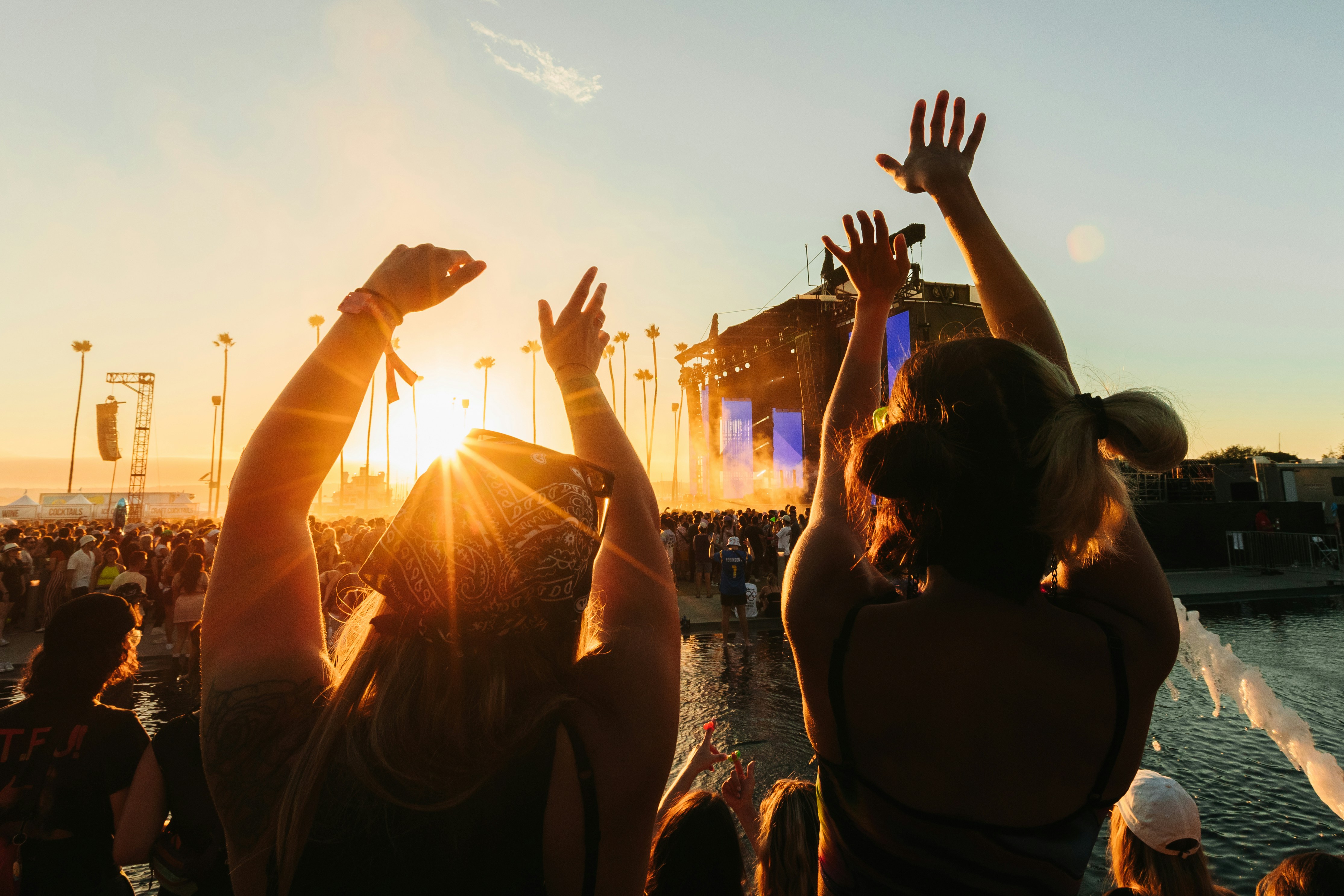

5 Tips for Ethical Festival Photography
When photographing festivals, your actions can impact the people and traditions you're documenting. Ethical photography means respecting the privacy, culture, and experiences of those involved. Here are five key tips to follow:
1. Get Permission Before Taking Photos
Getting consent isn't just polite - it’s essential for ethical festival photography. When you aim your lens at someone during a celebration, you’re capturing more than just a moment; you’re stepping into their personal space and engaging with their cultural identity. That’s why asking for permission before snapping a photo is non-negotiable.
Festivals and rituals are about authenticity, not creating staged photo ops. By asking for consent, you show respect for the experience and the people involved.
Pay attention to body language. If someone seems uneasy, put the camera down and, if appropriate, explain why you’d like to take their photo and how you plan to use it. This simple act of transparency can help build trust and show that you value their comfort and the significance of the event.
Sometimes, event organizers make it easier to navigate consent. For instance, at a music and arts festival in California in May 2026, attendees who wanted privacy wore fluorescent Tyvek wristbands. Similarly, tech conferences in the US and Europe have adopted color-coded lanyards: red for no photos, yellow for asking permission, and green for consent. These systems are helpful, but they don’t replace your responsibility to approach people thoughtfully.
Stick to the golden rule: “ask or refrain.” If you can’t get clear consent, don’t take the picture. Use friendly gestures or a quick introduction to make your request, and always prioritize respect over the perfect shot.
2. Don't Use Flash and Avoid Disrupting Performances
When photographing festivals, your technical decisions can significantly affect the performers and audience. Flash photography, for example, can momentarily blind performers, distract the crowd, and disrupt the atmosphere of the event. Using a flash on a dancer, musician, or cultural practitioner not only pulls them out of their flow but also diminishes the overall experience.
"Absolutely no flash is allowed. Leave it at home. Imagine being the person trying to blind the talent!" - Erin Donahue, Photographer
Stage lighting is carefully designed to create a specific mood. To preserve this ambiance, switch to manual mode and use fast, wide-aperture lenses like a 50mm f/1.4. These lenses allow you to work with the available light, keeping the scene's intended atmosphere intact.
Your behavior on-site is just as important as your camera settings. Dress in dark clothing to blend into the background, avoid obstructing performers, and follow the "3-song rule" to limit your time in front of the stage. Telephoto lenses can help you capture close-up, intimate moments without invading anyone's space. Staying unobtrusive is a sign of respect for both the performers and the audience.
"Understand that if you are on stage, you are entering the office of the DJ. It can be annoying if you're standing right in front of them." - Michiel Ton, Festival Photographer
Ultimately, respect is key. If getting the perfect shot requires being intrusive, it’s better to step back and let the moment unfold naturally. The enjoyment and experience of the performers and the audience should always take precedence over your photography.
3. Follow Rules for Restricted Areas and Sacred Spaces
When attending events or visiting sacred spaces, it’s important to respect the rules and traditions tied to these areas.
Sacred rituals and ceremonies often carry deep spiritual meaning for those involved. These moments are not meant to be turned into photo opportunities but rather experienced with the reverence they deserve.
"A simple sign reading 'No Photography' can speak volumes." - Ticket Fairy Promoter Blog
Pay attention to clear markers that certain areas or moments are off-limits. Signs like "No Photography" are straightforward, but festivals may also rely on verbal announcements or visual cues. For example, color-coded wristbands (red often means no photography), physical barriers, or specific dress codes - like wearing a sarong in Balinese temples - signal the need for privacy during sacred moments.
Photography restrictions are often in place during specific ceremonies to maintain their spiritual integrity. Events like opening prayers at Native American powwows, Indigenous Australian smoking ceremonies, or Whirling Dervish performances in Turkey usually prohibit photos. Globally, at least 13 major sacred sites, including the Shwedagon Pagodaand the Mahabodhi Temple, enforce strict no-photography policies to preserve their sanctity and peaceful atmosphere.
When in doubt, observe how others behave. If participants put away their devices, it’s a good sign you should do the same. If you’re unsure whether photography is allowed, asking for permission can help avoid misunderstandings, even if there’s a language barrier. Sometimes, the most meaningful experiences come from simply being present.
4. Show Full Context and Dignity, Not Stereotypes
When documenting festivals, aim to tell the whole story, not just isolated, exoticized moments. Captions like "traditional dancers at an Indonesian festival" can unintentionally strip away the rich cultural meaning behind the scene. Instead, provide specific context, such as: "Members of the Dayak community performing the Hornbill Dance at the Kuching Cultural Fair". This approach not only respects the individuals involved but also educates your audience about their traditions.
"Photography should celebrate, not appropriate or anonymise, the people behind the festival." - Ticket Fairy
To ensure cultural respect, take the time to understand the deeper meaning behind rituals, symbols, and attire. Collaborating with community leaders or cultural experts can help you accurately name ceremonies and provide meaningful descriptions that reflect the event's true essence.
Expand your lens beyond the main attractions. Include shots of local food, arts, crafts, and the interplay of tradition and modernity. Use wide-angle shots to highlight the environment and scale of the event, and telephoto lenses for detailed, intimate moments - without invading personal space. A single image cannot represent an entire community, so aim for a collection that showcases their resilience, creativity, and humanity.
"Ethics beat virality, every time. An image that breaks trust or exploits its subject will do more harm than the fleeting buzz is worth." - Ticket Fairy
Steer clear of sensationalism. Avoid capturing vulnerable or dramatic moments that could exploit your subjects. If someone looks uncomfortable or turns away, respect their boundaries and step back; their dignity is far more important than any photograph. Use captions thoughtfully to explain the story behind each image, offering context to prevent misunderstandings and to promote honest, respectful storytelling.
5. Share Photos Responsibly and Respect Subject Rights
After taking photos at a festival, always get informed consent from anyone featured in your images before sharing them online. Let your subjects know exactly where their images might appear - whether that's on social media, in marketing campaigns, or on a website. Make it clear they have the right to withdraw their consent at any time. For any commercial or public use, written consent is essential. It not only provides a record of permission but also ensures compliance with regulations like GDPR. If the subject is under 18, you’ll need consent from a parent or legal guardian before publishing their image.
"The purpose of consent is to build trust and show respect to the person whose image and content you're capturing." - International Committee of the Red Cross
Clear consent fosters trust and promotes ethical sharing. To make the process easier, consider using tools like color-coded wristbands or visible signage to indicate consent status. Place clear notices at event entrances to inform attendees that photography is taking place and explain how they can opt out if they prefer not to be photographed. Additionally, set up an easy way for people to request the removal of their images, such as a "Photo Concerns" email address or a dedicated link on your website.
When sharing photos, proper attribution shows respect for the individuals and communities involved. Avoid generic captions and instead provide detailed descriptions, like "Members of the Dayak community performing the Hornbill Dance at the Kuching Cultural Fair". This not only honors the people featured but also educates your audience. If you’re sharing someone else’s photo from the festival, always credit the original photographer using the TASL method: Title, Author, Source, and License.
"A festival's success isn't just measured in stunning photos or social media buzz, but in the trust and respect it earns from the communities it touches." - Ticket Fairy
Not every image is meant to be shared, even if it has viral potential. Avoid posting photos that capture vulnerable or private moments, as this can harm the dignity of the subjects and erode trust between photographers and communities. Instead, focus on respect over clicks. As a thoughtful gesture, consider giving copies of your photos to the individuals or communities featured in them. It’s a small act that can go a long way in showing gratitude.
Conclusion
Ethical festival photography is all about respect - respect for the people, their traditions, and the stories behind the moments you capture. Building genuine relationships with the communities you photograph is key. By prioritizing consent, respecting sacred boundaries, and offering accurate context, your work can honor the event and the people who bring it to life, rather than exploiting them.
"Doing the right thing might not spark millions of clicks overnight, but it lays the foundation for respect, sustainability, and pride in one's work and event." – Ticket Fairy Promoter Blog
This approach goes beyond the event itself. A single sensational photo that disregards trust or cultural boundaries can lead to public backlash and undo years of relationship-building. On the other hand, photographers who respect "no-photo" zones, seek explicit consent, and maintain a thoughtful distance earn trust and gain access to authentic moments that tell deeper, more meaningful stories.
Always remember: human dignity is more important than spectacle. Before taking a photo, ask yourself if it respects the subject’s privacy and cultural significance. And if you’re unsure, it’s okay to put the camera down. Sometimes the best way to honor a festival is by fully immersing yourself in it - without a lens separating you from the moment. This mindful approach is what defines ethical festival photography.
Let’s keep in touch.
Discover more about high-performance web design. Follow us on Twitter and Instagram.

