
Music videos have long been a platform for showcasing streetwear, helping underground brands reach global audiences and shaping fashion trends. From the 1980s to the 2010s, artists used bold, stylish outfits to make statements about identity, lifestyle, and culture. This list highlights ten music videos that defined streetwear's evolution, featuring iconic moments like BAPE's rise in hip-hop, M.C. Hammer's unforgettable pants, and Salt-N-Pepa's groundbreaking feminine style.
These videos didn’t just showcase clothing - they influenced global fashion, turning niche brands into household names. Streetwear became a storytelling tool, reflecting the artists’ identities and connecting with fans worldwide. Below, we explore how these videos shaped fashion and left a lasting impact on music and style.
How Streetwear Became a Music Video Staple
Streetwear started as a way for artists to express themselves and build connections with their communities. Its roots trace back to New York's hip-hop scene and Tokyo's Harajuku district, specifically the Ura-Harajuku movement. Brands like BAPE, NEIGHBORHOOD, and WTAPS disrupted the norms of traditional fashion. Meanwhile, designer Dapper Dan, operating a 24-hour store in Harlem since 1982, brought custom-made designs to the forefront, shaping streetwear's focus on exclusivity and individuality.
The rise of music videos as a global cultural platform played a huge role in taking streetwear mainstream. Early video platforms introduced Japanese streetwear to Western audiences, creating a cultural exchange. Collaborations like Pharrell Williams teaming up with BAPE founder NIGO turned music videos into showcases for new designs. Iconic visuals, like the "BAPE camo" patterns, began blending streetwear with a luxury aesthetic, signaling a shift in its perception.
By 2007, Soulja Boy's "Crank That (Soulja Boy)" took things further, dropping the name "Bathin' Ape" in the lyrics and featuring BAPE STAs in the video. It struck a chord with younger, internet-savvy fans. Two years later, Big Sean and director Hype Williams shot the "Getcha Some" music video at the BAPEXCLUSIVE store in Aoyama, Tokyo. Turning a retail space into a music video set underlined how deeply streetwear had become embedded in pop culture. These milestones marked streetwear's journey from Tokyo's niche fashion circles to the heart of U.S. hip-hop and, eventually, to audiences in the U.K. and South Korea.
For artists, streetwear was more than just clothing - it was a statement about lifestyle, identity, and belonging. This evolution helped music videos not only reflect trends but also establish streetwear as a defining cultural force.
1. Snoop Dogg ft. Pharrell - "Let's Get Blown" (2005)
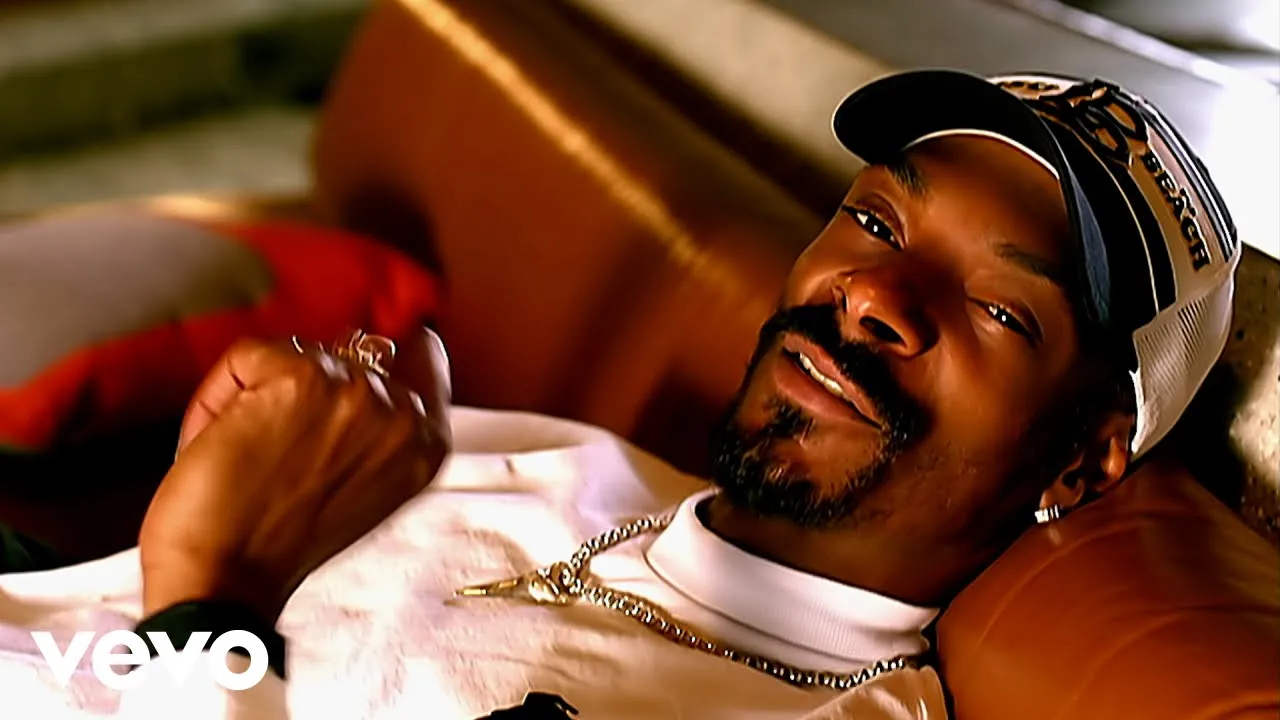
In the mid-2000s, Pharrell played a key role in redefining streetwear, and his appearance in Snoop Dogg's "Let's Get Blown" was a prime example. Early in the 2005 video, Pharrell can be spotted wearing a red BAPE Ape Head camo hoodie just seven seconds in - a look that turned heads instantly. Directed by Paul Hunter, the video combined Snoop Dogg's signature G-funk vibe with Pharrell's rising influence as a high-fashion trendsetter. It even earned a spot at number 59 on MTV's Top 100 of 2005.
"Pharrell once again leads the BAPE charge, donning a red Ape Head camo hoodie seven seconds into the clip." - Sanzhar Toxanbayev, Style Writer, Highsnobiety
This moment captured the peak of BAPE's influence in the hip-hop scene. Pharrell's knack for blending Ura-Harajuku streetwear with hip-hop aesthetics was on full display, as he paired the iconic BAPE hoodie with Billionaire Boys Club pieces and bold custom jewelry. The video not only helped boost "Let's Get Blown" to number 13 on the UK Singles Chart and number 19 on the US Billboard Hot R&B/Hip-Hop Songs chart, but it also showcased how music videos could elevate a brand's presence far beyond traditional fashion outlets.
Pharrell's style in this video didn't just highlight BAPE's dominance - it also paved the way for streetwear to become a staple in music culture, influencing countless iconic videos that followed.
2. Busta Rhymes - 'Put Your Hands Where My Eyes Could See' (1997)
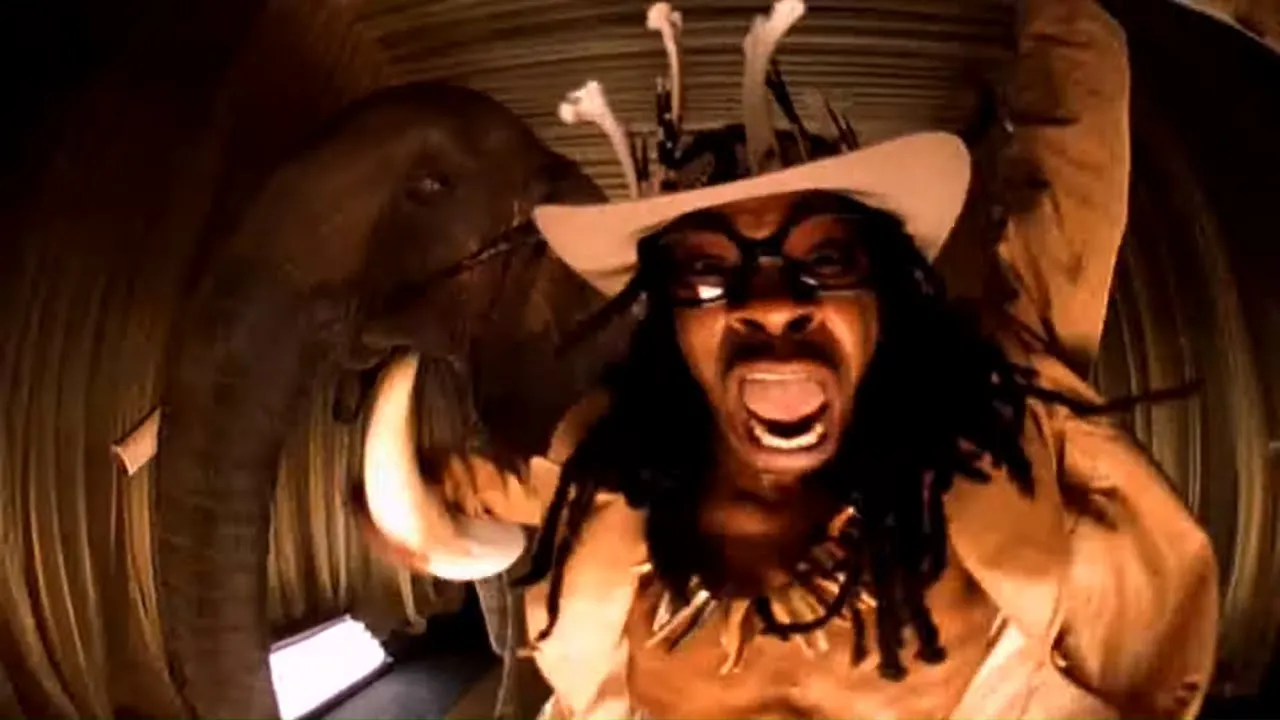
In 1997, Busta Rhymes took a bold step to reinvent his image. Known for his high-energy persona, he opted for a more refined and "cool" vibe, following advice from industry insiders. This shift not only redefined his personal style but also showcased a new way to present streetwear in hip-hop culture.
The video, directed by Hype Williams and designed by Ron Norsworthy, was a visual masterpiece. It combined luxurious loungewear with Afrocentric tribal elements, creating a unique fusion of urban fashion and cultural motifs. From gold silk dressing gowns to coordinated tribal-inspired outfits and makeup, the styling emphasized a unified "squad" aesthetic that felt both elevated and cinematic.
The track itself made waves, climbing to number two on the US Billboard Hot R&B/Hip-Hop Songs chart and earning four MTV VMA nominations. By 1999, MTV had ranked the video at number 20 on its list of The 100 Greatest Music Videos Ever Made.
Williams' signature techniques - vibrant colors, fisheye lenses, and high-contrast lighting - brought every outfit to life, enhancing their textures and visual appeal. This video didn't just showcase fashion; it blended streetwear with storytelling, setting a new standard for hip-hop visuals. The seamless integration of music, style, and cinematic flair left a lasting impact on late-90s streetwear culture and inspired future music videos to explore new creative boundaries.
3. Busta Rhymes - "Woo-Hah!! Got You All in Check" (1996)
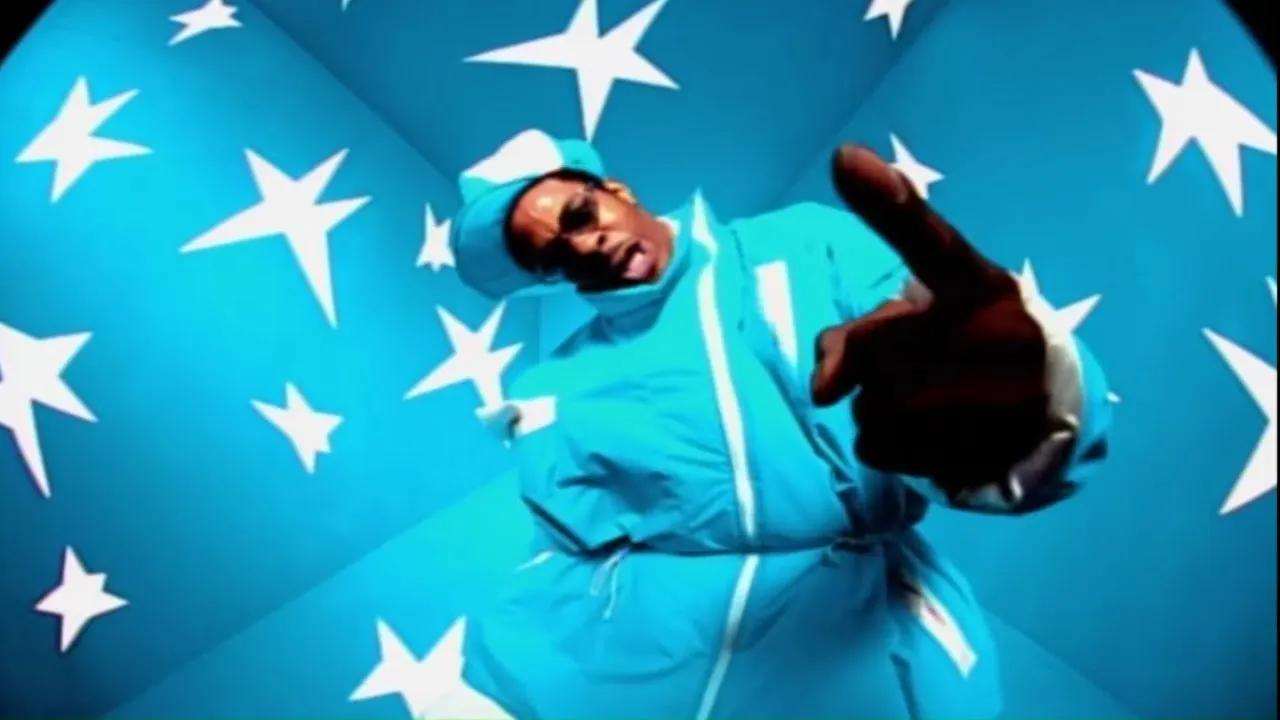
When "Woo-Hah!! Got You All in Check" dropped in 1996, it shook up the hip-hop scene - not just musically, but visually. The video, directed by Hype Williams with designer Ron Norsworthy, brought a burst of energy and color that broke away from the darker, grittier East Coast aesthetic of the time. It wasn’t just a music video; it was a bold fashion statement that redefined how hip-hop could look.
"Busta was dressed in bright colors to correspond with vibrant backgrounds, which was a welcome break from the gloomier imagery that prevailed during the 'grimey era'." - Daryl McIntosh, Writer, Albumism.
Busta Rhymes took center stage in oversized, colorful outfits paired with wild, avant-garde hairstyles that matched his explosive energy. Williams’ use of fisheye lenses and surreal camera angles amplified the visual impact, making the clothing and performances feel exaggerated, almost otherworldly. This surreal, cartoon-like vibe turned the video into more than just a showcase of streetwear - it was a piece of experimental visual art that elevated hip-hop fashion to new heights.
The impact didn’t stop at the visuals. The song climbed to number eight on the Billboard Hot 100, and the video earned a nomination for Breakthrough Video at the 1996 MTV Video Music Awards. Cameos from legends like Q-Tip, Ali Shaheed Muhammad, Jam Master Jay, and Onyx further solidified its influence, steering hip-hop toward a more fashion-forward and visually daring direction.
4. Salt-N-Pepa - "Push It" (1987)
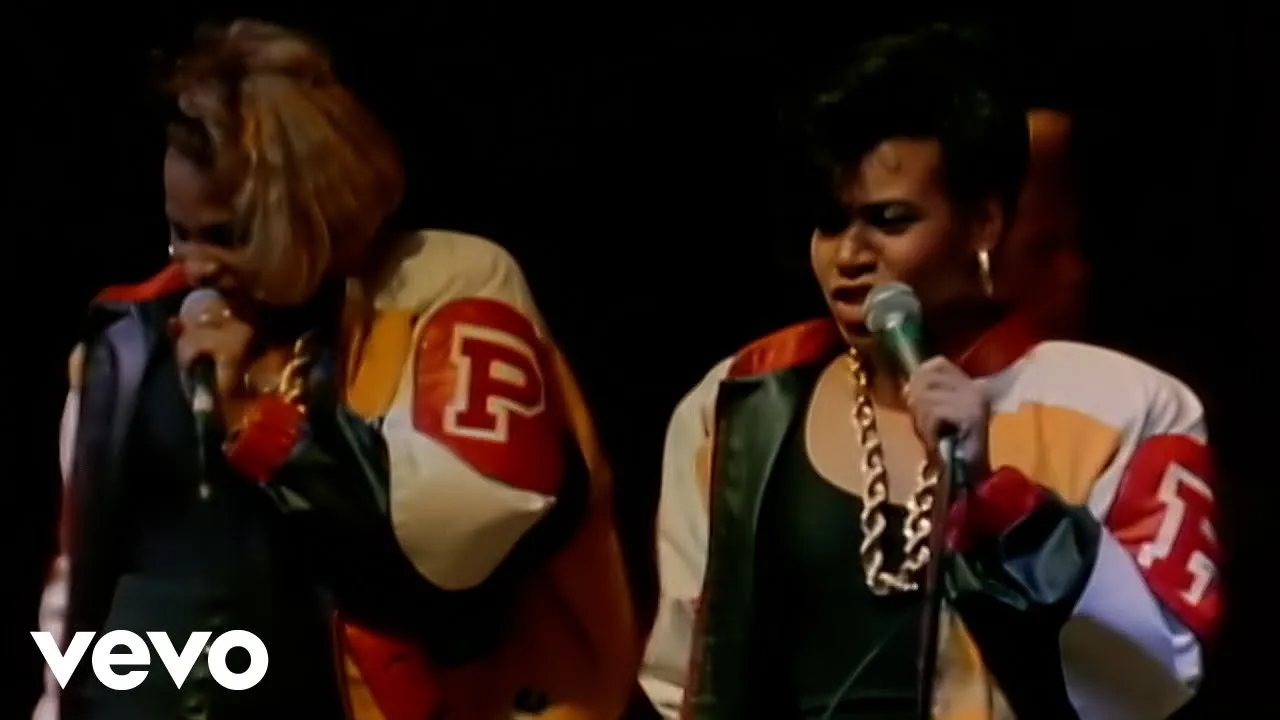
In 1987, Salt-N-Pepa shook up hip-hop fashion with their hit "Push It", redefining how women presented themselves in the genre. The music video showcased a vibrant mix of athletic wear and feminine elements, breaking away from the baggy, masculine styles that had dominated hip-hop up to that point.
At the heart of their look was the iconic eight-ball jacket by Michael Hoban. These leather jackets, with their striking color-block designs and bold black-and-white decals, became a staple in East Coast hip-hop fashion. Salt-N-Pepa paired these jackets with Lycra bodysuits, hot pants, and denim cut-offs, creating a daring and unapologetically feminine style. Their approach marked a shift in hip-hop fashion, moving away from male-centric trends and embracing a more empowered, feminine identity.
The group also made oversized gold "door-knocker" earrings a must-have accessory, cementing their place as style innovators. Their DIY styling - like cutting up jeans and blending custom pieces with affordable streetwear - encouraged fans to experiment and craft their own standout looks.
"Push It" reached No. 19 on the US Billboard Hot 100, climbed to No. 2 on the UK Singles Chart, earned RIAA platinum certification on October 13, 1989, and even snagged a Grammy nomination for Best Rap Performance. Salt-N-Pepa’s fearless mix of streetwear and glam set the stage for future female rappers like Missy Elliott, Lil' Kim, and Nicki Minaj. Their trailblazing style not only defined 1980s hip-hop fashion but also influenced the evolution of music video aesthetics for years to come.
5. M.C. Hammer - "U Can't Touch This" (1990)

M.C. Hammer's "U Can't Touch This", released in May 1990, didn't just dominate the music charts - it reshaped fashion and pop culture. Directed by Rupert Wainwright, the music video introduced the world to Hammer pants - those iconic, baggy trousers with a dropped crotch inspired by harem styles. These pants, paired with gold lamé outfits and cropped blazers, created a bold, unforgettable look that helped define early-90s streetwear.
The song's success was monumental. Hammer's album, Please Hammer Don't Hurt 'Em, became the first hip-hop album to achieve diamond certification, selling over 10 million copies. The track itself made history as the first hip-hop song to top the Billboard Hot 100. At the 1990 MTV Video Music Awards, the video won Best Rap Video and Best Dance Video. By 2024, it had racked up over 962 million views on YouTube, proving its lasting influence.
"Hammer's hydraulic dance moves and outlandish fashions - harem pants and gold lamé, together at last! - were cartoonish." - Whitney Pastorek, Entertainment Weekly.
Hammer's style perfectly captured the era's love for bold, flashy aesthetics. Bright colors, shiny materials, and over-the-top designs turned street style into polished, mainstream fashion. His signature Hammer pants, along with his famous Running Man and Hammer Dance moves, symbolized a new level of creativity and mobility in breakdancing.
The impact of "U Can't Touch This" extended far beyond the music. Hammer pants became a global trend, even sparking a parachute pants revival in 2022. Hammer's approach to branding himself as a product set a new standard for hip-hop artists. As Billboard observed, "Hammer's once-derided willingness to turn himself into a product has become standard procedure in the rap game". His influence on music, dance, and fashion continues to be felt decades later.
6. Wale - "Nike Boots" (2007)

Wale's 2007 track "Nike Boots", featured on the mixtape 100 Miles & Running, shined a light on Washington, D.C.'s streetwear culture, specifically the iconic black-on-black Nike boots (the ACG Goadome style). These boots, a staple in the DMV region, hadn't gained much attention outside the area - until this song and its accompanying 4-minute, 18-second video brought them into the national conversation.
But "Nike Boots" was about more than just footwear. As NPR's Ben Westhoff put it, "'Nike Boots' isn't about footwear; instead, it functions as a metaphor for the tough, hardscrabble mentality folks need to endure day-to-day struggles". Wale himself emphasized this in the lyrics: "Black-on-black Nikes / that represent the lifeless lives / and it reflects the plight of those fighting". Here, the boots became a powerful symbol of resilience, representing not just fashion but the perseverance of a community facing systemic challenges.
The video helped establish Wale as a voice for D.C., highlighting the struggles of local artists and urban neighborhoods. In this context, the Nike boots became more than just a regional style - they were a badge of identity for those overcoming adversity.
With over 3 million views, "Nike Boots" not only earned Wale a major-label deal with Interscope but also showcased how a single piece of streetwear could carry cultural weight, turning local pride into a broader statement about endurance and solidarity.
7. Jay-Z - "Dirt Off Your Shoulder" (2003)

Jay-Z's "Dirt Off Your Shoulder" wasn’t just a chart-topping single - it became a cultural milestone in hip-hop fashion. Directed by Dave Meyers and released in 2003 during The Black Album era, the video introduced what many later dubbed "drug dealer chic." This style seamlessly blended streetwear essentials - like two-tone durags, baggy denim, and crisp white Air Force 1s - with high-end luxury pieces. Don C, founder of Just Don, captured the essence of this look perfectly:
"It was very drug dealer chic. I think he's the epitome of that because he could go street and dress up, but then he would give you the ultimate street look with a jersey, Avirex, Timbs, and a durag."
At the heart of this "New York Hustler" aesthetic was the iconic New York Yankees fitted cap, which Jay-Z elevated to global prominence. As GQ noted:
"He made the Yankees hat global in a way Derek Jeter never could, wore a durag with a suit to the 'so-called awards' as a form of sartorial defiance."
This wasn't just about clothing - it was a statement. Jay-Z's ability to merge streetwear with luxury redefined music video fashion, setting a new standard for blending authenticity with aspiration. His Rocawear brand further cemented this blueprint, proving that street credibility could translate into retail success.
"Dirt Off Your Shoulder" also marked a shift in hip-hop's style narrative. While staying true to its street roots, Jay-Z began steering the culture toward a more refined, tailored look. Designer Tremaine Emory of Denim Tears reflected on this transition:
"From the day that video ['Change Clothes'] dropped, throwbacks got eradicated."
This shift moved hip-hop fashion away from oversized jerseys and into the era of fitted, polished silhouettes.
The video's impact extended beyond fashion. Jay-Z’s lyrics often elevated niche brands to new heights. His line, "These ain't Diesel...these is Evisu", brought attention to Japanese denim, which retailed for around $300 at the time. Angelo Baque of Awake NY summarized Jay-Z's influence:
"Jay-Z is like: a throwback jersey, two-tone durag, and Air Force 1s."
Conclusion
Streetwear has reshaped music videos, taking them from underground MTV showcases to polished visual stories where fashion and music seamlessly blend. These videos act as time capsules, preserving pivotal moments in style - from the mid-2000s "BAPE-mania" to the shifting trends in streetwear - showing how specific looks define entire generations.
But these visuals are more than just style statements. As French Montana observed, "I feel like hip-hop is the real runway of fashion and gave birth to most of the fashion pioneers". Take the 2004 "Hotel" video, for instance - it highlights how a single fashion moment can ignite global trends without relying on traditional marketing.
These key moments help us trace the origins of today’s trends. Chunky sneakers dominating modern fashion owe their roots to Run-DMC, while today’s gender-neutral designs reflect the trailblazing styles of earlier decades. As Newretro.Net aptly put it, "the connection between music and fashion wasn't just about aesthetics; it was about storytelling".
Looking back at these transformations reveals a clear link between past innovations and current styles. These ten music videos demonstrate how the partnership between music and fashion creates a lasting impact, continuously influencing both worlds.
Let’s keep in touch.
Discover more about high-performance web design. Follow us on Twitter and Instagram.

