How Hip-Hop Shapes Digital Animation Trends
Hip-hop's influence goes beyond music, deeply shaping digital animation. From graffiti-inspired visuals to AI-driven tools, hip-hop's bold style and storytelling have transformed how animation is created and consumed. Here’s a quick breakdown:
Graffiti Roots: Early visuals, like graffiti and comic book aesthetics, now inspire digital techniques, creating raw, textured animations.
Music Video Evolution: Animated visualizers and frame-by-frame techniques sync hip-hop's rhythm with striking visuals.
Tech Integration: Tools like Blender, Substance Painter, and AI platforms enhance production, mixing traditional methods with cutting-edge innovations.
Interactive Experiences: Virtual concerts, NFTs, and gamified content are reshaping fan engagement.
Global Collaborations: Projects like Netflix's Entergalactic and The Weeknd's anime-inspired videos highlight hip-hop's growing impact in mainstream animation.
Hip-hop and animation continue to evolve hand-in-hand, redefining storytelling for a new generation.
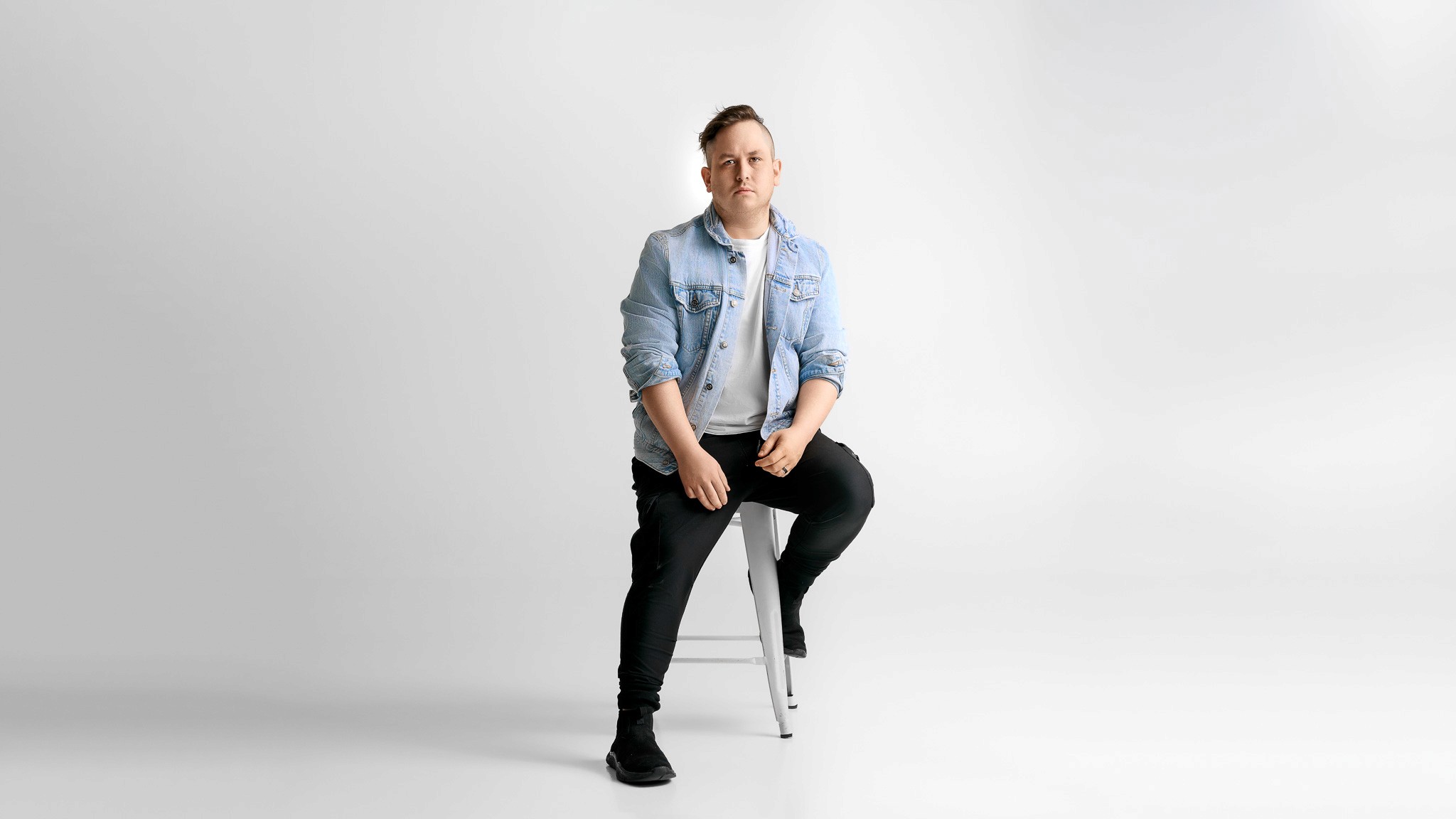
Get ANIMATED or Die Tryin': An Analysis of Hip Hop in Animation (feat. nockFORCE)
Hip-Hop's Visual Style in Animation
Hip-hop's visual style - rooted in graffiti, comic book influences, and urban grit - has shaped animation in ways that honor the culture's origins. By reimagining street art within digital spaces, hip-hop continues to push animation techniques and storytelling in bold directions.
Graffiti Art in Digital Media
Graffiti has always been a cornerstone of hip-hop's visual identity, and many animators in the genre started with spray cans before transitioning to digital tools. Take James Reitano, for example, who directed the animated video for Madvillain's "All Caps" in 2004. His graffiti background heavily influenced the project, which involved about 1,000 hand-drawn illustrations. Reitano leaned into bold black key lines and CMYK dots to bring a comic book and street art aesthetic to life:
"Most animators I knew said, 'You're animating huge black key lines? That's the dumbest thing you can do!' I pressed ahead nevertheless. I also became obsessed with CMYK dots and how they could be worked in."
This approach goes beyond just visual appeal. Today, animators use techniques like halftone patterns, brush strokes, and thumbprint textures to create a rough, tactile look that contrasts with the polished surfaces of traditional 3D animation. For instance, Reggie Perry, Jr. uses tools like Blender and Substance Painter to create a "papier-mâché" effect, reflecting hip-hop's raw, DIY ethos. This gritty, hands-on style has become a foundation for crafting dynamic and innovative visuals in music video animation.
Music Video Animation: Hip-Hop Meets Digital Storytelling
Hip-hop's experimental visuals have also given rise to the "visualizer" format - looped animations designed to complement music. Robin Velghe, also known as Rhymezlikedimez, brought this concept into the spotlight in 2017 when he won an online contest by Lil Uzi Vert to create the official visualizer for "Neon Guts", featuring Pharrell Williams. This success helped cement the visualizer as a staple in the music industry.
The pandemic further boosted animated music video production. Starting in March 2020, live-action shoots became difficult to execute, prompting labels to turn to animation. Styles once considered "too abstract" found new appreciation during this period. A standout example is the frame-by-frame animated video for NxWorries' "86Sentra", released in June 2024. Created by Velghe, the video drew inspiration from The Powerpuff Girls and Wong Kar-wai's Fallen Angels, blending nostalgia with modern animation techniques.
Kinetic Typography and Hip-Hop's Rhythm
Hip-hop's energy and rhythm have also influenced how animators sync visuals with music. Instead of relying on automated solutions, many animators painstakingly craft frame-by-frame sequences to match the beat and flow of tracks. This method allows for high-impact visuals - like bouncing tires, flying dollar bills, and dramatic camera angles - that capture the essence of hip-hop's cinematic style.
While tools like Adobe After Effects and Blender offer shortcuts, the frame-by-frame approach remains a favorite among hip-hop animators for its ability to preserve the culture's raw and dynamic energy.
Technology Behind Hip-Hop-Inspired Animation
Hip-hop animators today are fusing traditional 3D software with cutting-edge AI tools, with 53% of the genre adopting these technologies. Among industry professionals, 60% of musicians and 36.8% of producers are now integrating AI into their creative processes. This blend of tech and artistry builds on hip-hop's gritty, street-level aesthetic, transforming raw creativity into polished digital artistry. These advancements are reshaping the landscape of hip-hop animation through new AI and 3D innovations.

AI and Generative Tools for Hip-Hop Animation
AI has become an integral part of hip-hop animation, influencing every stage of production. For example, NVIDIA Omniverse Audio2Face creates accurate lip-sync animations directly from vocal tracks, capturing the intricate nuances of rap vocals without the need for manual keyframing. Co-founder of Sowl Studios, Solomon W. Jagwe, praised Audio2Face, saying:
"does an awesome job of capturing the nuances of the voice in the audio track".
The financial impact of AI in the music industry is massive. By 2024, the global AI in music market was valued at $2.9 billion, with projections estimating it will rise to $38.71 billion by 2033. Interestingly, 82% of listeners report being unable to differentiate between AI-generated and human-created music, while 74% of internet users rely on AI-powered recommendations to discover music and related animated content.
For animators, AI acts as a creative partner rather than a replacement. Tools like Amper Music and Soundraw can instantly generate instrumentals based on mood and tempo. Meanwhile, platforms like ChatGPT and Sudowrite help with brainstorming lyrics and overcoming creative blocks. These tools are leveling the playing field, enabling independent artists to produce high-quality content from home studios.
3D Animation and Motion Capture in Hip-Hop Media
Traditional 3D techniques and motion capture remain central to hip-hop's bold visual storytelling. Blender, a widely used 3D animation tool, is often employed to create visuals inspired by the 1990s cel animation style. In September 2024, Atlanta-based artist Reggie Perry, Jr. leveraged Blender and Substance Painter to reimagine scenes from Missy Elliott's iconic "The Rain" music video. This project merged nostalgic beats with modern 3D character design to celebrate Black culture.
Motion capture technology plays a key role in capturing the essence of hip-hop's dynamic dance moves and body language. Animators rely on tools like the Perception Neuron Studio suit for recording intricate choreography and the iPhone X with the Live Face plugin for detailed facial expression tracking. Post-production tools, such as Adobe After Effects, are essential for color grading and assembling final animations. Additionally, software like Marvelous Designeris used to create lifelike digital streetwear, simulating the movement of fabrics like baggy jeans and hoodies - hallmarks of hip-hop fashion.
Hip-Hop in Mainstream Animated Media
Hip-hop has moved from being a niche genre to becoming a central influence in major animated productions, reshaping how stories are told visually. With its bold aesthetics and unique energy, hip-hop has opened creative avenues that live-action formats often can't replicate.
Case Study: Animated Collaborations with Global Artists
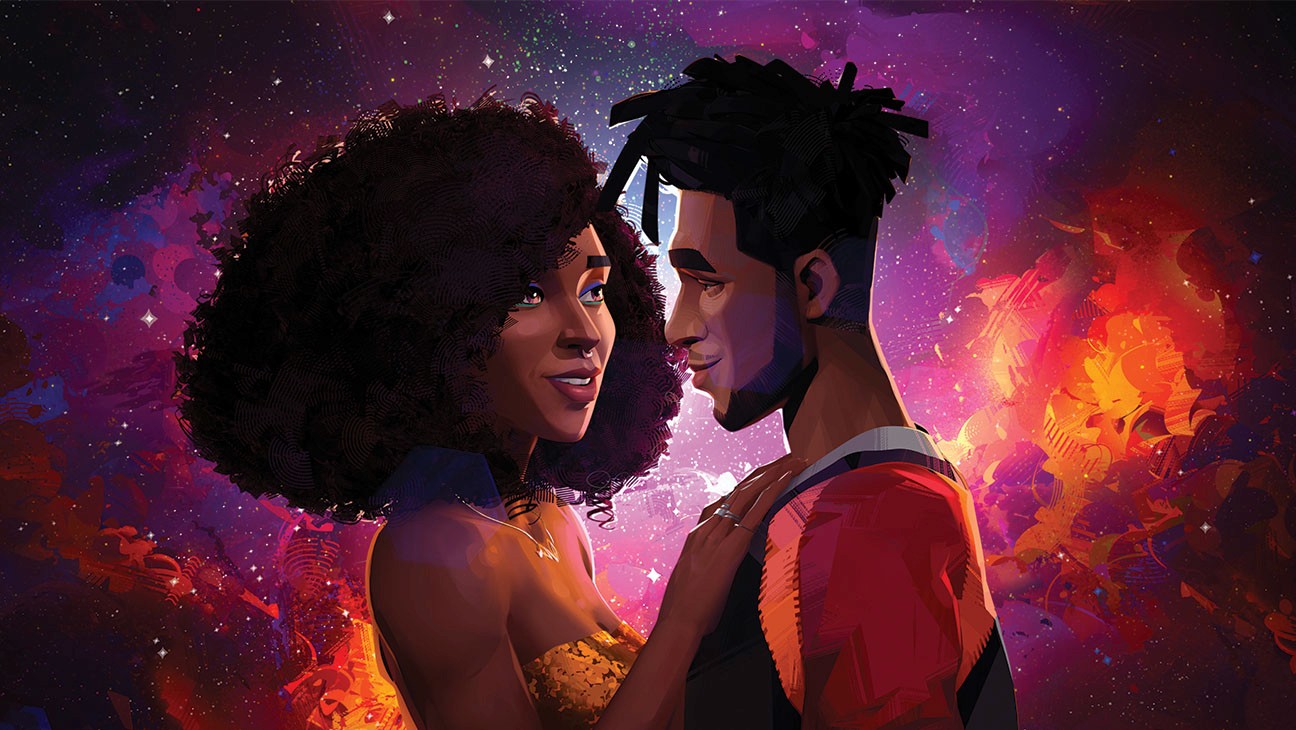
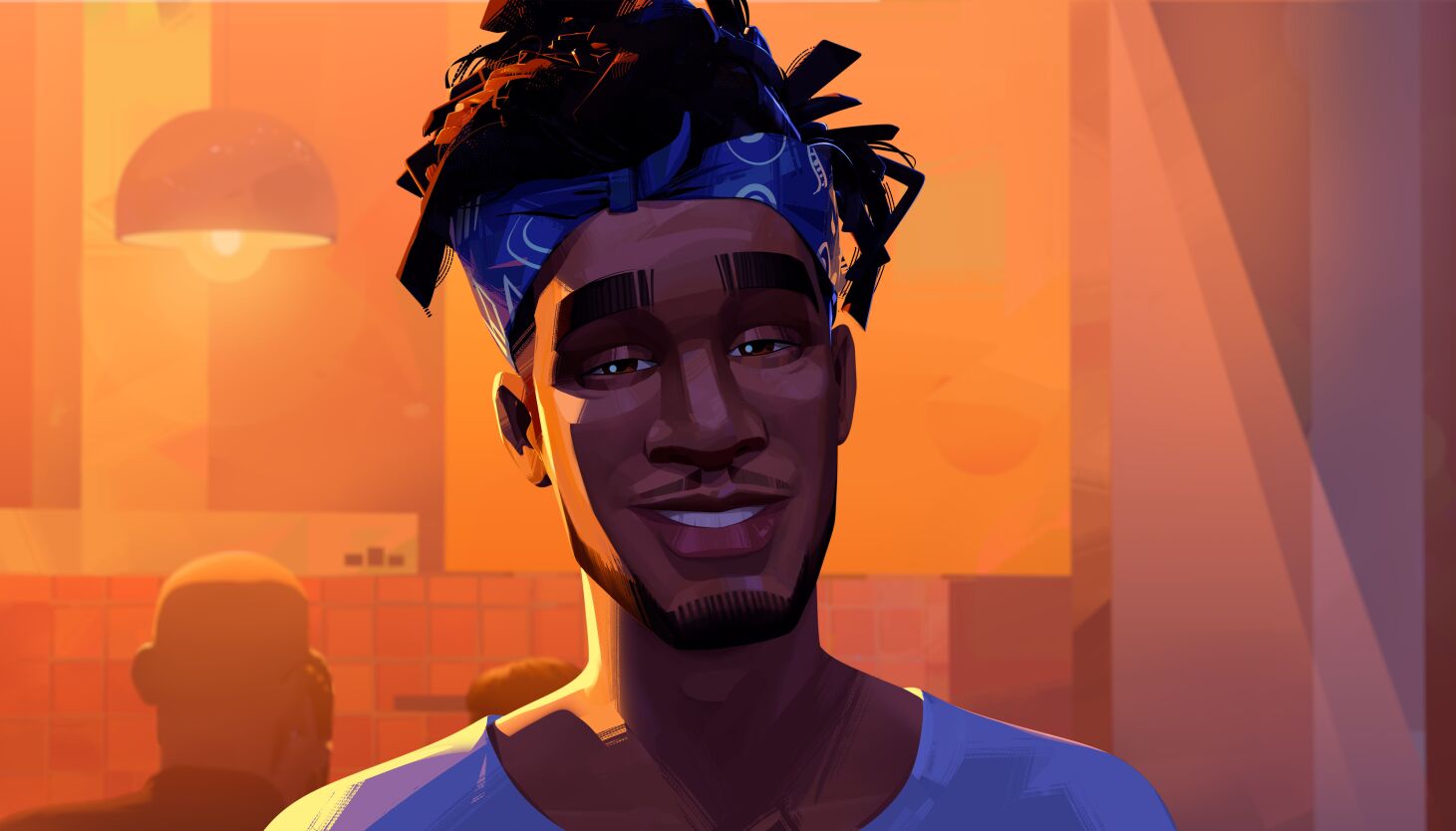
Recent projects highlight how hip-hop's influence has grown through collaborations with global artists and cutting-edge animation techniques. One standout example is Netflix's Entergalactic, released in September 2022. Created by Scott "Kid Cudi" Mescudi and Kenya Barris, the film features 1,056 final shots, completed by the DNEG Animation team. VFX Supervisor Archie Donato and Director Fletcher Moules brought a "moving painting" style to life, using brushstroke textures on characters' skin instead of smooth CGI. The late Virgil Abloh contributed to the project by designing the wardrobe for the character Jabari, drawing from his Louis Vuitton and Off-White collections. As Fletcher Moules explained:
"Entergalactic had to look like a moving painting... the film look and feel handmade. Entergalactic is about two artists after all".
Another example comes from July 2020, when Dua Lipa teamed up with The Mill and Titmouse for her "Hallucinate" music video. Directed by Lisha Tan, the video showcased a 2D animated world inspired by 1970s disco and Fleischer-style cartoons. What made this project even more impressive was that it was created entirely during the COVID-19 lockdown, with teams working remotely. Around the same time, The Weeknd collaborated with D'ART Shtajio, Japan's first Black-owned anime studio, for his "Snowchild" track. The video presented an anime-inspired landscape, proving that animation could serve as a powerful medium for hip-hop and R&B storytelling.
These collaborations demonstrate how hip-hop continues to push creative boundaries, blending global talent with imaginative storytelling.
Hip-Hop's Impact on Animated Narratives
Hip-hop animation challenges traditional genre tropes by reimagining urban culture - think luxury cars, streetwear, and neighborhood settings - as surreal, dreamlike visuals. A great example is Eminem and Snoop Dogg's "From the D 2 the LBC" video, released in June 2022. The video transported the rappers into a cartoon multiverse, featuring their Bored Ape NFTs. Directed by James Larese and produced by Nathan Love, the video drew inspiration from Uncle Grandpa, Adult Swim, and the movie Friday. It became a massive hit, racking up over 75 million YouTube views and earning the title of the most popular NFT-based video in the Web3 space.
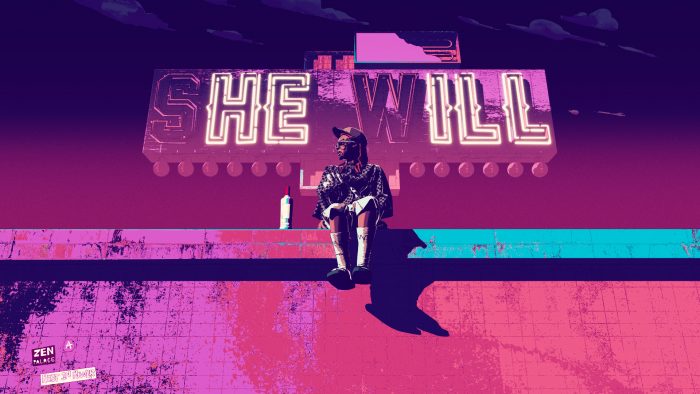
Fashion authenticity is another area where hip-hop animation shines. In March 2022, director Tim Fox and Cultlovesyou created an animated video for Lil Wayne's "She Will" (from The Carter IV). Character designer Emmanuel Okafor developed intricate 3D models of Wayne, complete with Gucci-inspired outfits, including a poncho that referenced the "Something Different" video. The team used a Rokoko smartsuit for motion capture and rendered the animation at 12 fps with Arnold Toon to avoid glossy 3D effects. Fox described his vision:
"I didn't want to make an animation featuring a Hip Hop artist; I wanted to make a Hip Hop video that happened to be animated".
The rise of visualizers has also transformed storytelling in hip-hop animation. Animator Robin Velghe, known as Rhymezlikedimez, pioneered this format with looped, visually rich animations that capture a song's mood rather than following a traditional narrative. In June 2024, Velghe collaborated with NxWorries (Anderson .Paak and Knxwledge) on their Why Lawd? LP, designing a vinyl cover and a music video for "86Sentra." The video was crafted frame-by-frame to evoke a retro vibe, pulling inspiration from The Powerpuff Girls and the film Fallen Angels.
These examples show how hip-hop's dynamic style continues to influence and evolve animated storytelling, creating fresh opportunities for artistic expression.
Future Trends: Hip-Hop and Digital Animation
Traditional vs AI Animation Methods in Hip-Hop: A Comparative Analysis
Hip-hop has always thrived on reinvention, and now it’s stepping into a new era by blending digital interactivity with cutting-edge production techniques.
Interactive Hip-Hop Experiences
Animation in hip-hop is no longer just something to watch - it’s becoming a fully interactive experience. Take December 2023, for example, when Epic Games hosted a live Eminem performance in Fortnite. Millions of fans joined in, experiencing the event through an Eminem avatar in a virtual environment. Platforms like Fortnite, Roblox, and Decentraland are turning traditional music videos into immersive, participatory events, reshaping how artists connect with their audiences.
In another exciting example, animator Robin Velghe collaborated with Erykah Badu in Summer 2023 to create "Badu's Forbidden Fruits", a one-minute animated short. This wasn’t just a video - it was part of a digital scavenger hunt during her "Unfollow Me Tour". By gamifying the experience, this project turned animation into a bridge between digital storytelling and real-world fan engagement.
Web3 technology is also making waves. In 2024, Rolling Loud introduced "LoudPunx", an NFT collection offering lifetime access to every Rolling Loud festival worldwide. Ronald De Luise, Head of Web3 at Rolling Loud, explained:
"The team sees LoudPunx as an incubator for future hip‑hop NFTs, setting a standard for utility and fan value".
This approach not only creates new revenue streams but also strengthens fan loyalty by combining digital ownership with tangible perks.
Virtual creators are also gaining traction. A recent study found that 61% of 14- to 24-year-olds who follow virtual artists feel just as connected to these avatars as they do to real performers. This trend allows artists to build digital personas while maintaining their privacy, forming genuine connections through animated storytelling.
As these interactive experiences evolve, they highlight an ongoing discussion: how do traditional and AI-driven animation methods stack up in shaping hip-hop’s visuals?
Generative AI vs. Traditional Animation Methods
While interactive experiences are transforming how fans engage with hip-hop, the tools used to create these visuals are also evolving. Generative AI tools like Amper Music and Sudowrite are making it easier than ever for independent artists to produce high-quality animations and even brainstorm lyrics from their own homes. The numbers back this up: the global AI in music market was valued at $2.9 billion in 2024 and is expected to balloon to $38.71 billion by 2033.
Despite AI’s efficiency, traditional methods still hold a special place in hip-hop. They bring a raw, human touch that many feel is essential to the genre’s aesthetic. Many producers use AI as a supplement - handling repetitive tasks while they focus on storytelling and crafting the right vibe.
Increasingly, artists are blending these methods. AI takes care of the technical grunt work, while traditional techniques ensure the authenticity and emotional depth that define hip-hop. Considering that 74% of internet users now rely on AI-driven recommendation systems to discover music, this hybrid approach could be the future of hip-hop animation.
Conclusion
For five decades, hip-hop has broken barriers and reshaped creative landscapes, and today, it stands at the forefront of digital animation. From its roots in subway graffiti and breakdancing to cutting-edge 3D visualizers, motion-captured performances, and immersive virtual worlds, hip-hop's evolution mirrors its ability to continuously reinvent and inspire. Its guiding principle - transforming existing forms into bold new expressions - has become a driving force for modern animators.
This evolution is vividly reflected in the work of contemporary artists. Creators like Reggie Perry, Jr. are leveraging tools like Blender and Substance Painter to craft papier-mâché textures that celebrate hip-hop's artistic heritage while propelling it into the future. Similarly, studios like D'ART Shtajio are proving that animation can tell mature, globally resonant stories.
Arthell Isom, co-founder of D'ART Shtajio, captures this sentiment perfectly:
"Animation is really just a medium; it's a tool you can tell any story in. How do we break that barrier so that adults can sit down, watch and take this story seriously?"
This merging of hip-hop and digital animation not only honors the culture's rich history but also paves the way for the next wave of storytelling. Whether you're an artist striving to leave a lasting visual impact or a creator experimenting with innovative techniques, this synergy offers endless possibilities. By blending sound, visuals, and imagination, it transcends boundaries, creating worlds without limits. With tools becoming more accessible and audiences growing worldwide, the only question is how far the next generation will take this powerful fusion.

Let’s keep in touch.
Discover more about high-performance web design. Follow us on Twitter and Instagram.

