Ultimate Guide to Editorial Fashion Photography
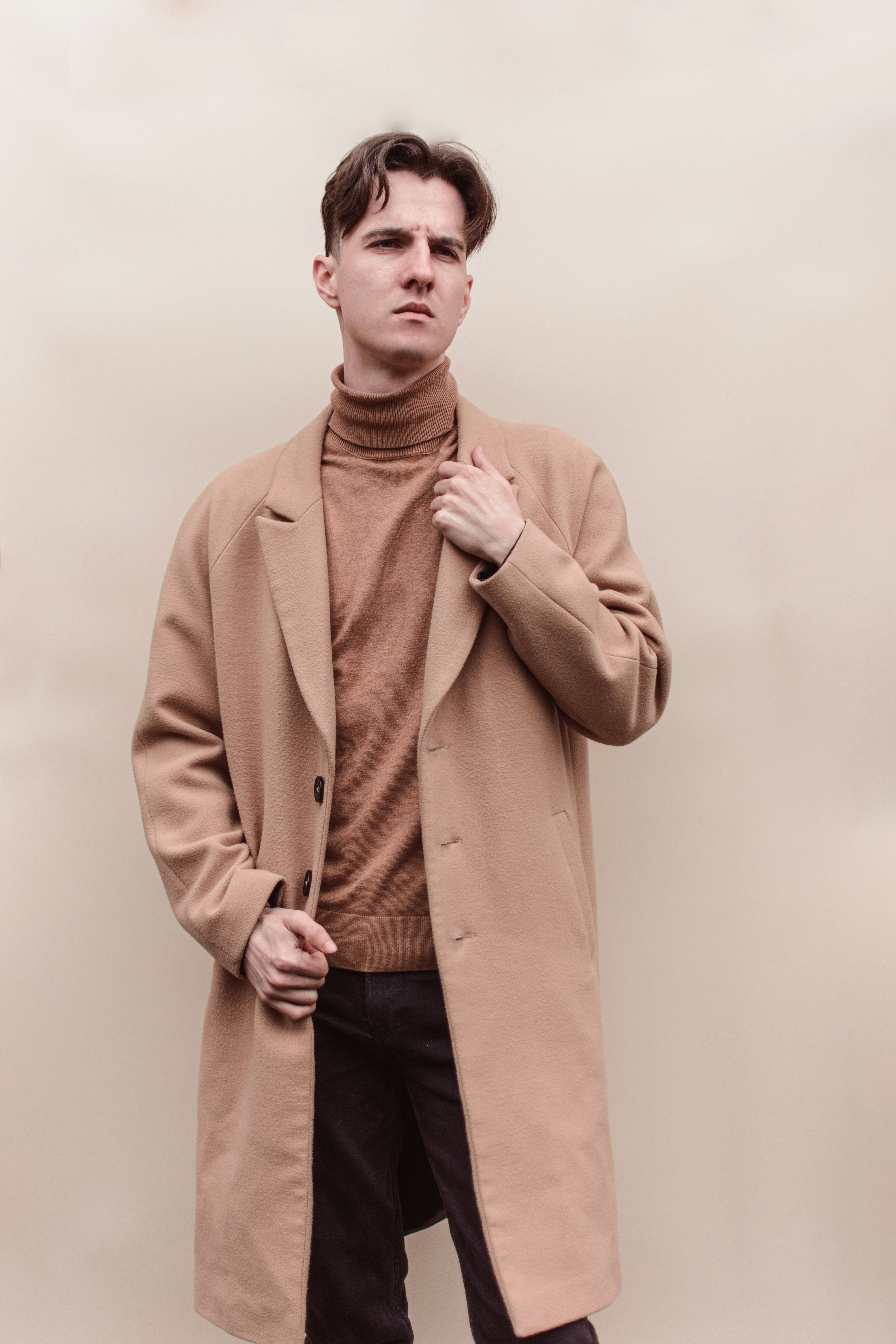
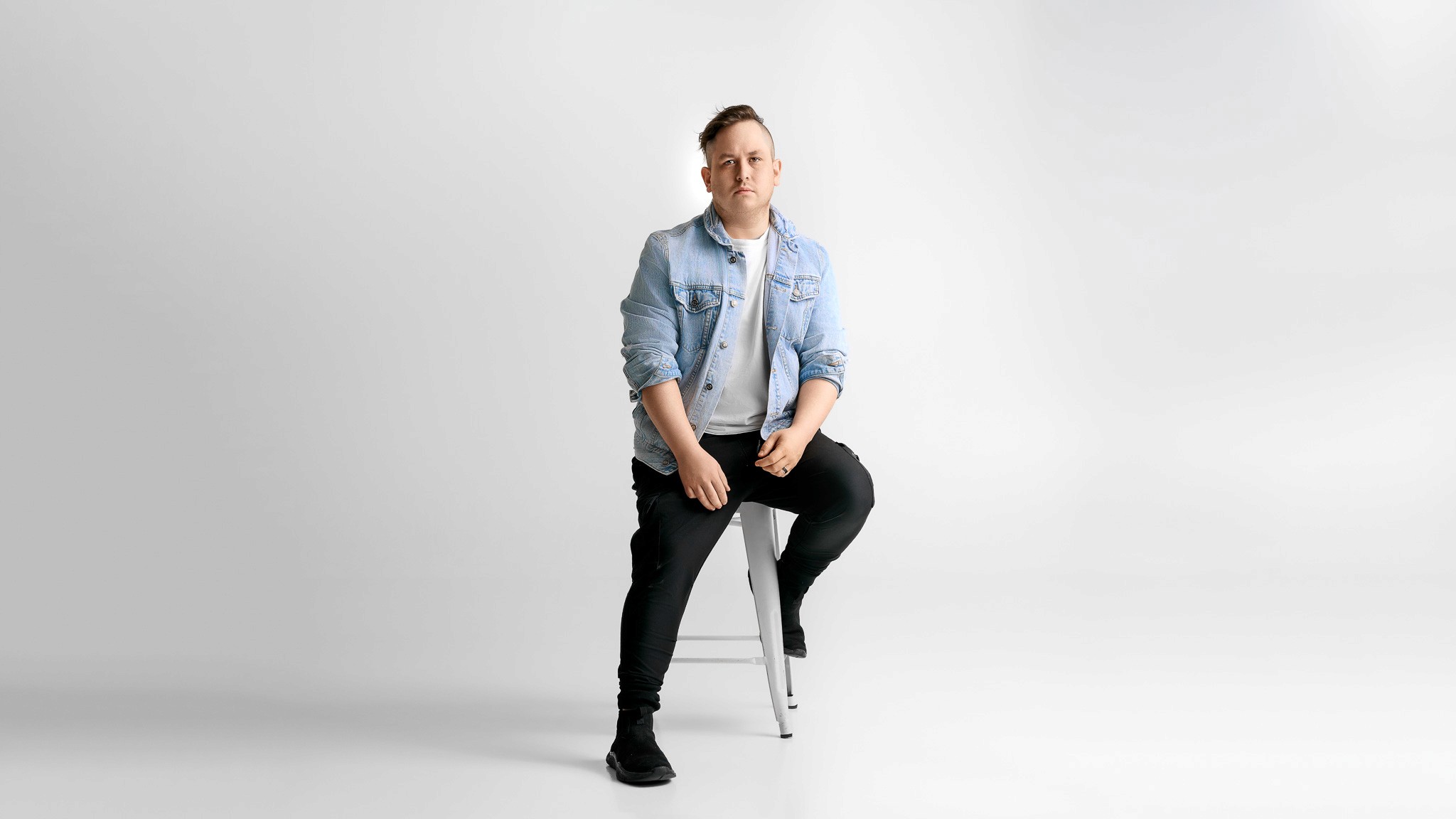
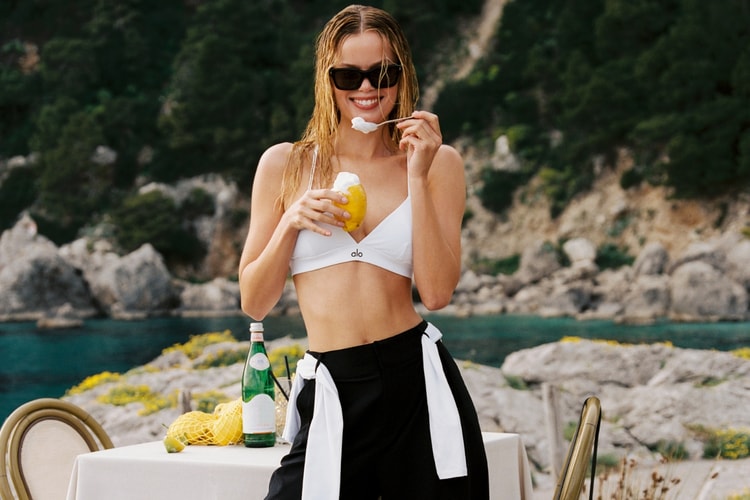
Editorial fashion photography is all about storytelling through images, using clothing and styling as key elements. Unlike commercial photography, it focuses on evoking emotions and narratives rather than selling products. Found in publications like Vogue and Harper's Bazaar, this style thrives on artistic choices, collaboration, and pushing creative boundaries. Editorial photography isn't just about taking photos - it's about creating a visual story that resonates deeply. From concept to post-production, every step is intentional and collaborative, making it a powerful medium for both brands and artists.
Concept Development and Pre-Production
Every editorial shoot starts with a well-thought-out concept. This initial step turns a raw idea into a structured plan that gives your team clear guidance. The aim? To establish a narrative and visual direction before stepping on set.
Building a Moodboard and Visual Concept
Begin with a single keyword that embodies the essence of your story - words like "vintage", "rebellion", or "solitude" work well. From there, define the key elements: props, locations, wardrobe, and color palettes. This approach keeps the concept focused and avoids vagueness.
Your moodboard should include references for lighting, color schemes, clothing styles, models, and potential locations. Think of it as your visual "north star", keeping everyone on the same page.
"When you're designing a fashion-based editorial, you have to have a clear storyline that progresses in a way that makes visual sense and feels coherent with the fashion you're presenting." – Nicole Renee
For inspiration, explore platforms like Pinterest, Instagram, Unsplash, or even physical magazines like Vogue or Harper's Bazaar. Once your references are in place, give your concept a catchy title. This helps editors instantly understand the vibe of your shoot before seeing any images.
Keep your moodboard flexible - it should evolve as your vision refines. Use pose references to map out the story, even if you're not great at drawing. This ensures a cohesive visual flow for your editorial spread. Once your concept is locked in, the next step is aligning your team with your vision.
Selecting Your Team
Building the right team is essential. You'll need a photographer, hairstylist, HMUA (Hair and Makeup Artist), fashion stylist, and models. For "Time for Print" (TFP) projects - where everyone trades skills for portfolio images - ensure all collaborators are at a similar skill level. This way, everyone benefits equally from the final results.
When working with agencies, send a brief (just 1-2 sentences) to request comp cards or e-books of available talent. For independent models, platforms like Model Mayhem, Newbook, or niche Facebook groups can be helpful. Sharing your moodboard early ensures agencies and models understand the aesthetic you're aiming for.
Stylists often have their own wardrobe collections, which can save on costs by eliminating the need to buy new clothing. While models may handle basic grooming, professional HMUAs bring techniques that elevate the look to editorial standards.
"You need to work with creatives you believe in and in whom you trust and ones who believe in you." – Fstoppers
Once you've assembled your team, the project becomes a shared vision. Schedule one-on-one meetings to explain the "why" behind your moodboard and ensure everyone is on the same page. Create a detailed call sheet with the schedule (broken into 30-minute intervals), contact info, and the finalized brief. Distribute this to the entire team before the shoot. With the team in place, it's time to focus on location and set design.
Location Scouting and Set Design
The location should enhance your editorial story without overshadowing the wardrobe or models. Visit potential locations in person to assess the atmosphere, lighting, and weather patterns.
"Location scouting for the shoot is imperative. Especially for on-location outdoor 'spur of the moment' sets. I've found that when you do your homework during this step, you don't have to worry as much about finding the perfect spot in the moment." – Gina Manning
Pay attention to sunlight at different times of day to optimize your lighting. Consider practical details like how crowded the area is, whether permits are required, and if the location allows commercial photography. For high-profile editorials, you may need a pull letter or letter of recommendation (LOR).
Choose either multiple distinct locations or one versatile spot to add visual variety. Outdoor shoots benefit from lightweight gear - think carbon fiber tripods and compact lighting setups. For example, in 2017, photographer Gina Manning shot two editorials for Bullett Magazine in New York City. She used a small crew, IKAN NISI filters, and a Nest Traveler Series carbon fiber tripod to stay mobile while shooting on foot.
Always have a backup plan for unexpected weather, like an indoor studio or a safe shelter during winter shoots. Flexibility is key - Manning once stumbled upon a pallet of onions in front of an industrial backdrop, which became a standout shot in her "Système Nerveux" editorial. Once your location is confirmed, create a detailed shot list that outlines how you'll light and compose each image in that environment.
Shooting: Styling, Direction, and Camera Work
Once you've nailed down a strong concept and assembled a capable team, the shoot becomes the stage where everything comes together. This is where creative styling, thoughtful model direction, and precise technical execution all work in harmony to bring your vision to life. It's the moment when preparation transforms into artistry.
Styling and Makeup Choices
Every styling and makeup decision should reinforce the story you're trying to tell. Editorial photography thrives on unexpected contrasts. Picture a sharp blazer paired with a distressed gown - this kind of visual tension can create layers of meaning that commercial shoots often avoid. Accessories, in this context, become more than just embellishments; they act like punctuation in your visual narrative. For instance, a single silver ring on an unconventional finger or a tightly knotted scarf can hint at a character's emotional state.
"The goal is to have the styling choice contribute to the story you are creating rather than distract you from it. When making a creative decision, consider how it will propel the story forward." – Contagion Media
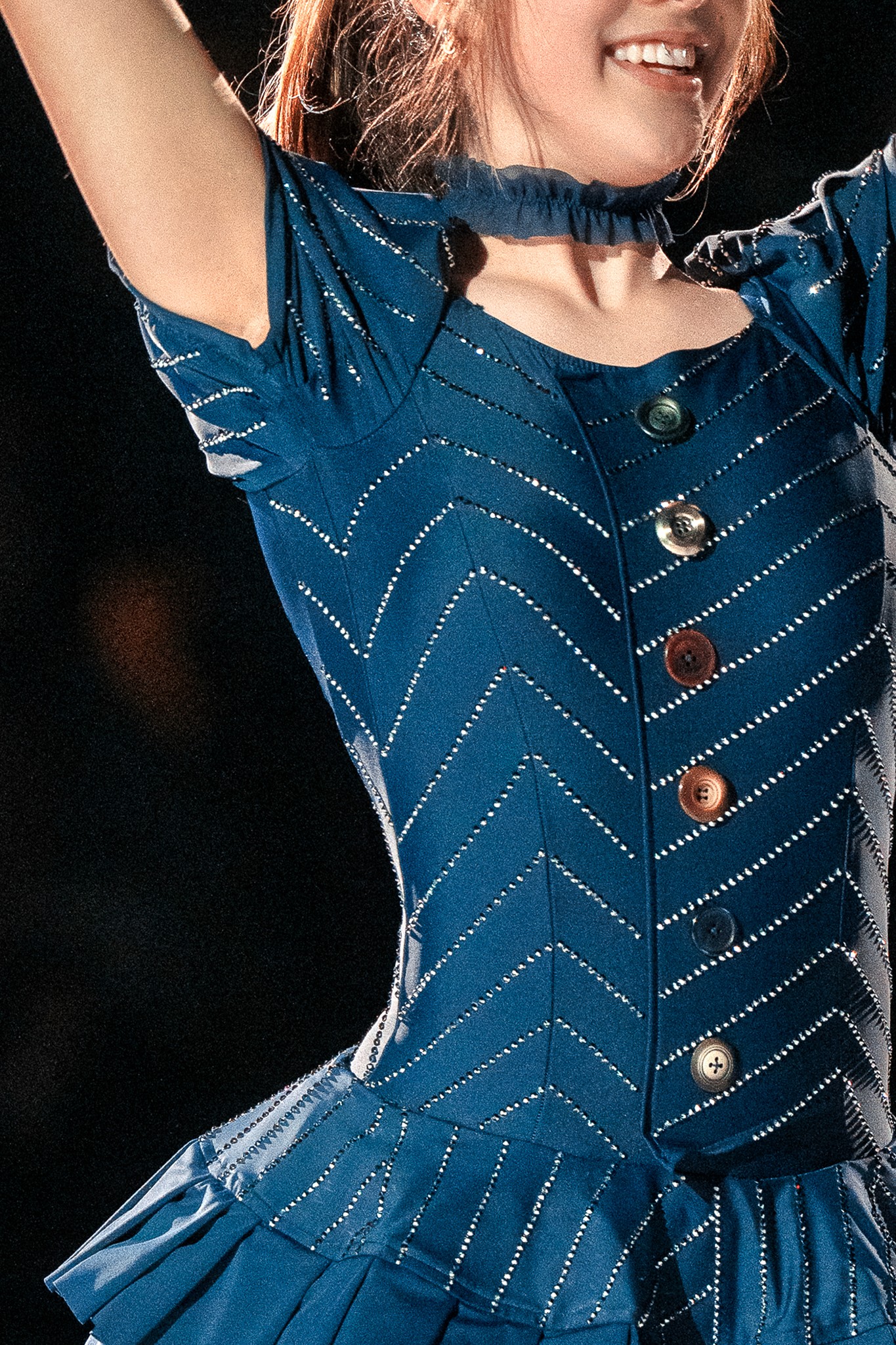
Texture and layering are your allies in adding depth to an image. Mixing fabrics, patterns, and layers - like a jacket draped over a cardigan or a scarf in motion - gives your model something to interact with, adding movement and dimension. Pay attention to color psychology too: muted grays might evoke a sense of quiet sadness, while vibrant neon tones could suggest rebellion or chaos. Collaborate closely with your makeup artist during pre-production to ensure the makeup complements your vision. Even small details, like a stray hair or a wrinkle in the fabric, can elevate the final shot.
Once the styling sets the tone, the next step is guiding your model to embody the narrative.
How to Direct Models
Think of your model as a collaborator who brings your vision to life. In editorial photography, models are more than just subjects - they're characters in a story. Start by building a connection. Spend a few minutes chatting, explain the concept behind the shoot, and help them feel invested in the narrative. Use prompts like "You're holding onto a secret", "You're waiting for someone who may never arrive", or "You're on the verge of running" to inspire authentic expressions and body language.
"Your model is your partner for a day. Your model is your canvas, the physical expression of your creativity; what they give you is your end result." – Anna, Photographer
Tailor your approach to the model's personality. Some may thrive in a calm, low-pressure environment, while others might respond better to high-energy direction. Always ask before making adjustments to their pose, hair, or clothing, and consider using music to create the right atmosphere. If a model seems shy, minimize on-set distractions until they feel more comfortable. Showing them a few successful shots on a laptop can also build confidence, but keep the screen out of their line of sight so they stay focused on your direction. To keep the energy fresh, shoot in short bursts and switch angles or poses frequently.
Once your model is fully immersed in their role, lighting and camera techniques will amplify the mood.
Lighting and Camera Settings
Lighting in editorial photography is all about setting the tone and enhancing the story. Use single spotlights to sculpt facial features, colored gels for dramatic effects, or backlighting to create halos around your subject. For beauty shots, position a beauty dish or large octabox slightly above and in front of the model, with a white reflector under the chin to soften shadows. For full-length shots, a 4×6 ft softbox at a 45-degree angle works well, with additional modifiers to control how the light interacts with the scene.
High-key lighting setups often involve background strobes set one to two stops brighter than the key light, creating clean, bright backdrops. In contrast, low-key setups use hard side lighting with minimal fill to produce dramatic, high-contrast images. To capture maximum detail, use a smaller aperture - typically between f/8 and f/11. Full-frame cameras are ideal for their dynamic range, and prime lenses like 35mm, 50mm, or 85mm are prized for their sharpness and compression. For full-length portraits with telephoto lenses (85–200mm), maintain a distance of 15–25 feet between the camera and the model to ensure proper perspective. Tethered shooting is invaluable for real-time feedback, helping the team maintain consistency throughout the session.
A standard fashion shoot usually involves three to four strobes with at least 500W of power each. Large modifiers, such as 4×6 softboxes or octaboxes, provide controlled lighting, while industrial fans can add movement to the scene. Studio spaces ranging from 800 to 2,000 square feet with ceilings between 13 and 16 feet offer the flexibility needed for creative lighting setups.
Post-Production and Retouching
Once the shoot is over, the real magic begins. Post-production takes raw images and refines them into a polished story. This stage is all about enhancing each image while keeping the genuine textures and emotions intact. It’s also where an efficient editing process becomes crucial.
Editing Workflow for Consistent Images
The first step? Cull your images with care. Go through your shots and keep only the strongest ones - those with the best compositions and storytelling potential. Eliminate duplicates and weaker frames so you can focus on quality over quantity. Organize these selected files by project, designer, or outfit to stay on top of your workflow and ensure your vision remains cohesive.
Next, handle global adjustments. Start by balancing the exposure to avoid losing details in highlights or shadows. Adjust the white balance to ensure the colors remain true to the garments - this step is especially important to honor the designer’s vision. Once that’s done, move to background cleanup. Use tools like the healing brush to remove backdrop wrinkles, dodge and burn to even out tones, and frequency separation to smooth transitions in light and color.
"Adjusting colors is pivotal to conveying a proper mood and aligning the final images with the designer's intent or the publication's theme." – Hannah Longman, Communications Liaison, Fashion Week Online®
For garment retouching, focus on removing distractions like tags or lint with the Stamp Tool. Use Liquify to adjust the way clothing drapes without distorting proportions. When it comes to color grading, apply consistent adjustments across the series to create a unified look. AI color-matching tools can help align your images with popular palettes, like the jewel tones or Digital Lavender expected to trend in 2026. Finally, adjust your export settings - high-resolution files for print and compressed versions for digital platforms.
Once you’ve handled the basics, it’s time to dive into more detailed retouching.
Retouching Methods for Fashion Images
One of the key techniques for fashion retouching is Frequency Separation. This method splits your image into two layers: one for texture and another for tone and color. It allows you to smooth out imperfections like blemishes or uneven skin tones while keeping the natural texture of the skin intact.
Dodge and Burn is another essential tool. By lightening and darkening specific areas, you can add dimension and depth, sculpting the subject’s features and enhancing contours. This technique brings a three-dimensional quality to your images, making them more visually engaging. Always work on blank layers set to "Current & Below" to keep your edits non-destructive. For added sharpness in areas like the eyes or hair, use a high-pass filter. This helps draw attention to key details without introducing unwanted grain.
"Usually liquefying a model or the image is about making the clothing fit better and enhancing the fashion not the model." – Fstoppers
Keep in mind that preserving natural imperfections is important to maintain authenticity. Use the Spot Healing Brush for quick fixes on minor flaws and the Patch Tool for larger edits, whether on skin or fabric. When sharpening, limit it to details like embroidery or jewelry to avoid creating artifacts. For large projects, streamline your workflow by creating presets or recording Photoshop Actions to maintain consistency. With these advanced retouching steps complete, your images will be ready to take center stage in any editorial layout.
Creating and Publishing Editorial Spreads
Once your images are polished in post-production, the next step is presenting them as a unified editorial spread. This involves creating a layout that tells a clear visual story, with a defined beginning, middle, and end.
Designing an Editorial Layout
After editing your images, focus on arranging them to enhance your narrative. A strong editorial layout does more than showcase beautiful photos - it tells a story that flows seamlessly. Start by adhering to the creative brief or theme provided by the editor. This brief sets the emotional tone for the spread, whether it’s vibrant and energetic or calm and introspective. Every image you select should align with this mood.
Fashion editorials often follow a standard format: an 8-page layout, typically featuring one outfit per page, with each look supported by at least four images. Think of your spread as a journey. For instance, you might open with dramatic lighting to create a sense of glamour, then shift to softer tones to evoke a more subdued atmosphere. This progression keeps viewers engaged and strengthens the narrative.
"The sequence and the layout of the shoot will be decided by the page designer and the editor but the input of the photographer is very important as it ensures that his/her thinking comes across." – Joaquim Barreto, Fashion Photographer
Collaboration is key. Work closely with the page designer and editor during layout decisions. While they usually have the final say, your input ensures that your creative vision is reflected. Consistency is crucial - ensure all images share the same color grading to maintain a cohesive look. Avoid over-editing; keep the style authentic and story-driven. Don’t forget to credit everyone involved, from the stylist and makeup artist to the clothing brands featured in the shoot.
Once your layout aligns with your vision, it’s time to decide where to share your work.
Where to Publish Your Work
With your editorial spread complete, the next step is finding the right platform to showcase it. Independent magazines like Sicky Magazine, Kaltblut, LUCY's, ONE, and Peppermint are great options for new photographers. These publications often have open calls, faster response times, and encourage creative experimentation. For those aiming higher, consider internationally renowned titles like Vogue, Dazed, Another Magazine, or Harper's Bazaar.
To improve your chances, study past issues of your target publication to ensure your style aligns with their aesthetic. Prepare your files accordingly - high-resolution 300 DPI TIFF files for print and 2000px wide sRGB JPGs for digital previews. Include a concise pitch (two paragraphs) that explains your editorial concept, the emotional tone, and any cultural inspirations. Most magazines expect a cohesive series of about 20 images, with at least four photos per look.
"Start with smaller, independent publications... these platforms often have open calls, quicker response times, and are more willing to take creative risks." – LenFlash
Be mindful of exclusivity rules. Avoid sharing your submission images on social media, your portfolio, or through stock agencies until the magazine has officially published or rejected them. For reference, major publications like Vanity Fair or Dazed may pay between $370 and $1,110 per series. On average, editorial photographers earn around $47,000 annually. Strategically placing your spread in the right publication helps build your reputation and expand your reach in the fashion editorial world.
Conclusion: Building Your Editorial Vision
Editorial fashion photography isn't just about capturing beautiful images - it's about telling a story that stirs emotion. Begin every project with a clear, central theme or feeling, like "isolation", "rebellion", or "quiet power." This idea should guide every decision you make, from the choice of location and styling to how you direct your model. Think of your shoot as a short film instead of a simple advertisement - the clothing becomes part of the story, and every frame should add to the narrative.
A well-crafted mood board acts as your creative compass, ensuring everyone on your team understands and aligns with the emotional tone. When directing your model, avoid relying on generic poses. Instead, give them prompts or cinematic cues that inspire natural, nuanced reactions. This approach brings out authentic expressions, elevating your work beyond standard catalog images.
A strong editorial vision also encourages bold creativity. Step outside traditional boundaries - try unconventional angles, unexpected color grading, or surprising styling combinations. These risks not only push your creative growth but can also help you develop a distinctive style that grabs an editor's attention. Editors look for more than just impressive shots - they want to see a cohesive perspective. Study the visual style of your target publication and tailor your approach while staying true to your artistic voice.
Editorials work best as a series rather than standalone images. Aim for 6 to 20 photos with consistent lighting, color, and flow. Shooting tethered can help you review your work in real time, ensuring each image serves the larger story. With practice and a concept-driven approach, you'll create editorial work that connects deeply with both audiences and editors alike.
Let’s keep in touch.
Discover more about high-performance web design. Follow us on Twitter and Instagram.