
Olivia Rodrigo reveals she can smell fans wearing diapers in the front row, exposing the dark, hyper-competitive reality of modern concert barricade culture.
There is a distinct, unvarnished smell to the front row of a modern pop arena. It is a toxic cocktail of spilled over-priced hard seltzer, expensive teen perfume, and hot sweat. But lately, a more ancient, biological reality has been wafting over the barricades.
Olivia Rodrigo dropped a bizarrely vivid truth bomb during her recent appearance on Kiss FM UK. While promoting her third studio album, You Seem Pretty Sad For A Girl So In Love, she admitted that she has actually smelled the physical toll of extreme fandom from the stage. Specifically, she pointed to the reality of hardcore devotees who wear adult diapers to the front row so they never have to forfeit their territory at the barricade. She compared the phenomenon to the crowds at the Times Square ball drop on New Year's Eve. People sit there all day, refusing to yield a single square inch of pavement to something as trivial as a biological need.
It is easy to laugh at this, to write it off as a grotesque symptom of online brain rot or teenage hysteria. But if you sit with the reality for a moment, it reveals a much deeper, more troubling truth about how we consume culture. What drives a person to abandon the most basic standard of physical dignity for a two hour concert?
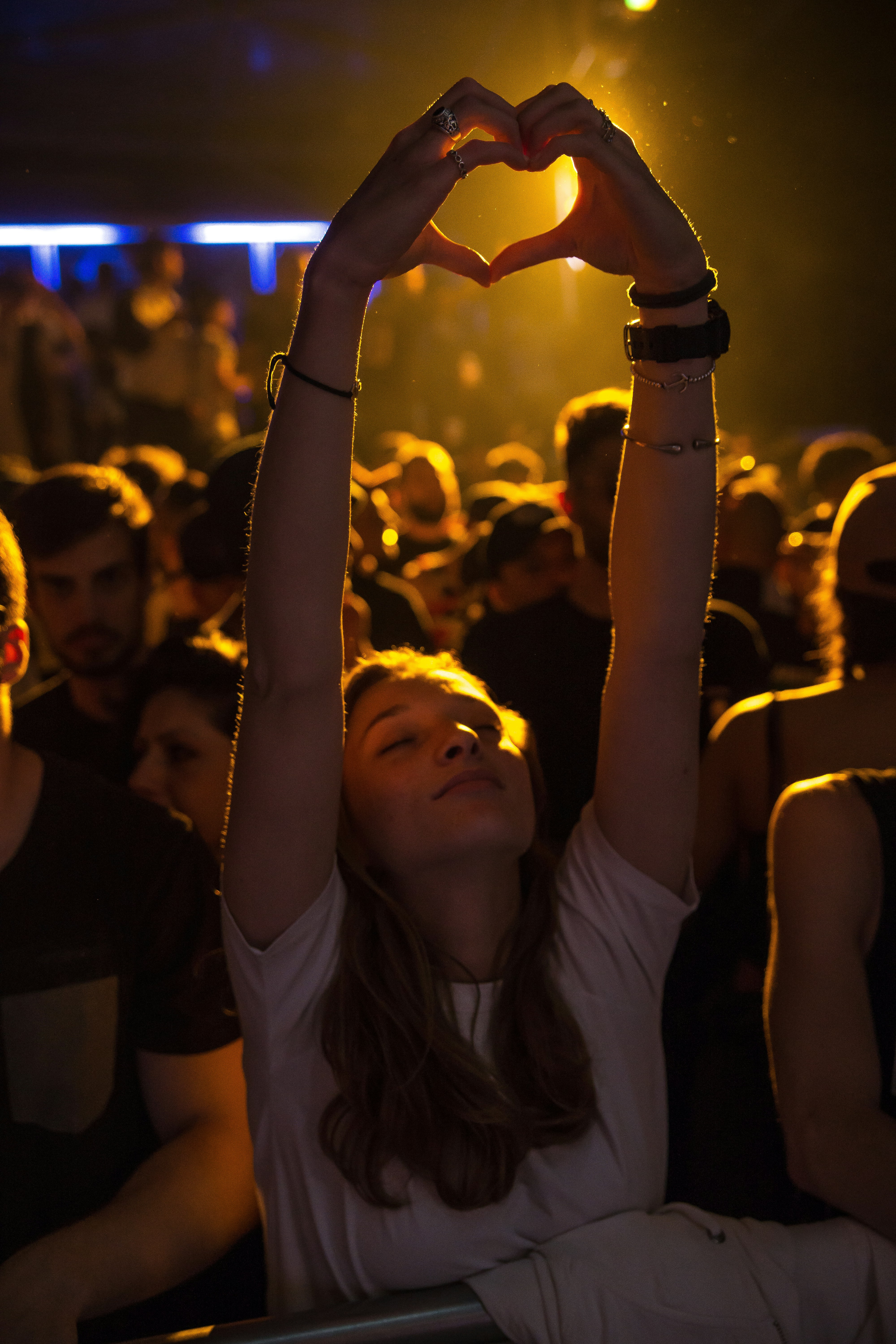
The answer lies in the brutal economy of modern proximity. In the cavernous ecosystem of a stadium tour, the barricade is no longer just a physical safety barrier. It is a class divide. If you are standing twenty rows back, you are merely a spectator absorbing a spectacle. If you are pressed against the cold aluminum rail, you are an eyewitness. You are close enough to make eye contact, to potentially be handed a setlist, and most importantly, to capture the unobstructed video that will validate your existence on a social media feed.
This is the complete optimization of the human body for the algorithm. We live in a culture where an experience is only deemed valuable if it can be quantified and broadcasted. A video shot from the upper deck has zero currency in the attention economy. A clip shot from the perspective of someone who can see the actual sweat on the performer's face is a premium digital asset. The diaper is not an act of madness. It is a terrifyingly rational business decision made by a consumer who has decided that their physical comfort is worth less than the ultimate piece of online clout.
There is also an ancient, almost frightening strain of ascetic devotion at play here. Throughout human history, religious pilgrims have subjected their bodies to horrific conditions to catch a glimpse of the sacred. They walked barefoot across deserts, starved themselves for weeks, and endured public filth. Modern pop stardom has successfully inherited the machinery of the divine. The arena floor is the new cathedral, and the barricade is the altar. When viewed through this lens, wearing an absorbent undergarment to survive a twelve hour wait on the hot concrete is simply the contemporary version of a religious sacrifice.
This behavior exposes a profound loneliness that underpins our hyperconnected world. These fans are willing to endure physical degradation just to feel a fleeting sense of intimacy with a stranger who is singing songs about her own isolation. There is a heavy, tragic irony in watching thousands of kids pack into a room, locked in a silent battle against their own anatomy, while Rodrigo performs tracks like Drop Dead or Stupid Song. They are screaming lyrics about emotional vulnerability while actively shielding themselves from their own basic human functions.
Rodrigo mentioned that she thinks about this often, and it is impossible to blame her. It must be a surreal, overwhelming burden to stand under the spotlights and realize that your art has driven people to suspend their own humanity. It forces the rest of us to ask what we are actually searching for when we buy a ticket. If the price of admission to the front row requires us to discard our basic dignity, then the music is no longer a sanctuary. It is just another arena where we are willing to consume ourselves alive.

Let’s keep in touch.
Discover more about high-performance web design. Follow us on Twitter and Instagram.

