

Muse Bloc Party and The Temper Trap Live at Ruoff Music Center
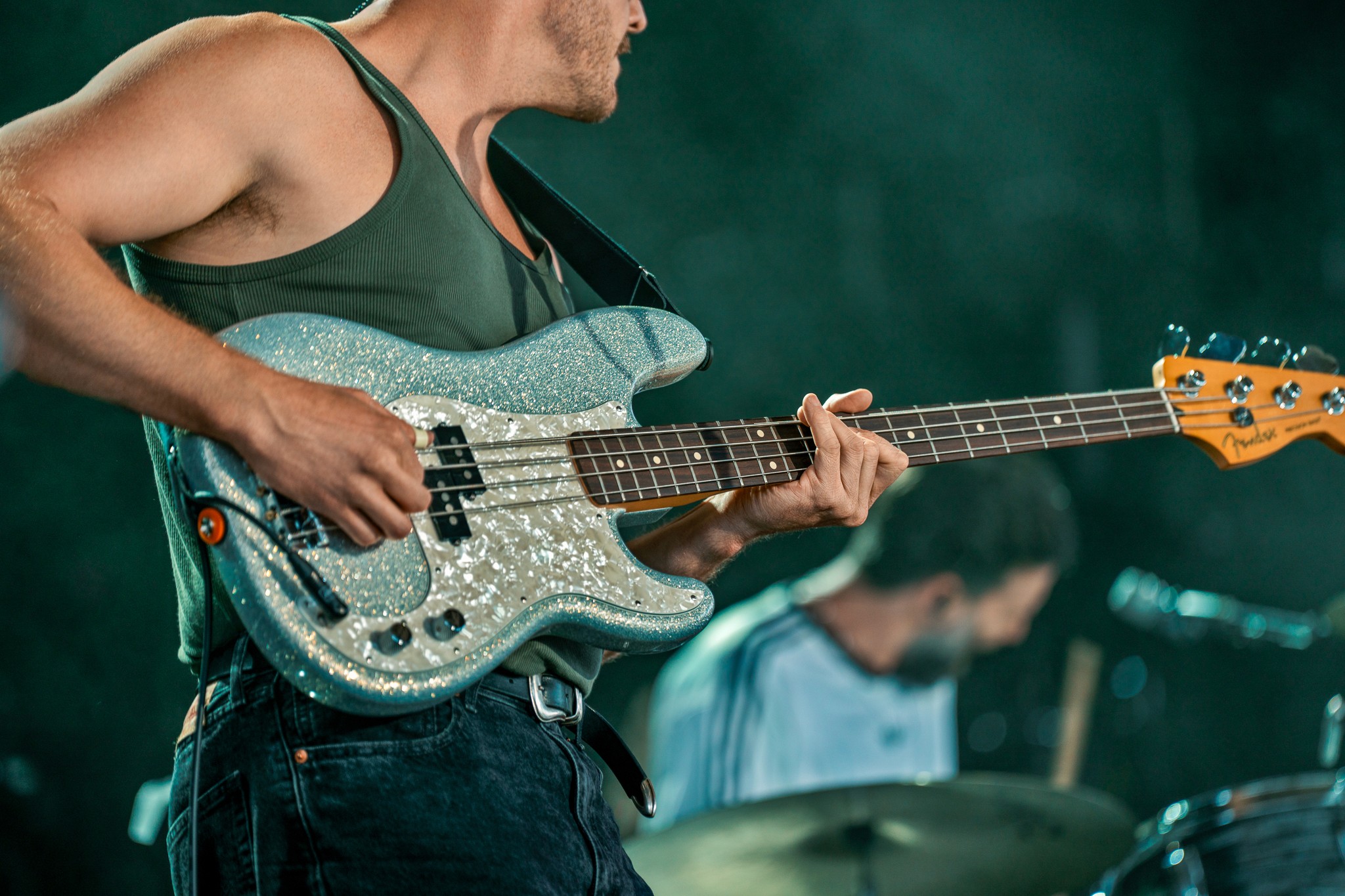
Noblesville, Indiana has a strange habit of acting as a temporary epicenter for global rock spectacles. Pulling into the gravel parking lots of Ruoff Music Center always brings a specific type of sensory familiarity. It is a massive amphitheater rising out of the flat Midwestern landscape, a venue where the air smells of exhaust, stale beer, and cut grass. Returning to this amphitheater as an outlet feels like a necessary reacquaintance with the sheer scale of the American summer touring circuit. Last night, the venue hosted a multi generational rock summit that felt like a beautifully loud collision of eras.
The afternoon heat was still hanging over the lawn when The Temper Trap took the stage. There is a distinct, undeniable power in a song like Sweet Disposition when it is performed live in an open air setting. The soaring falsetto and looping guitar lines have traveled an immense distance from the late two thousands indie boom, yet the track still possesses the exact same emotional weight it did nearly two decades ago. It was a brief, sunlit hit of pure euphoria that primed the arriving crowd for something much sharper.
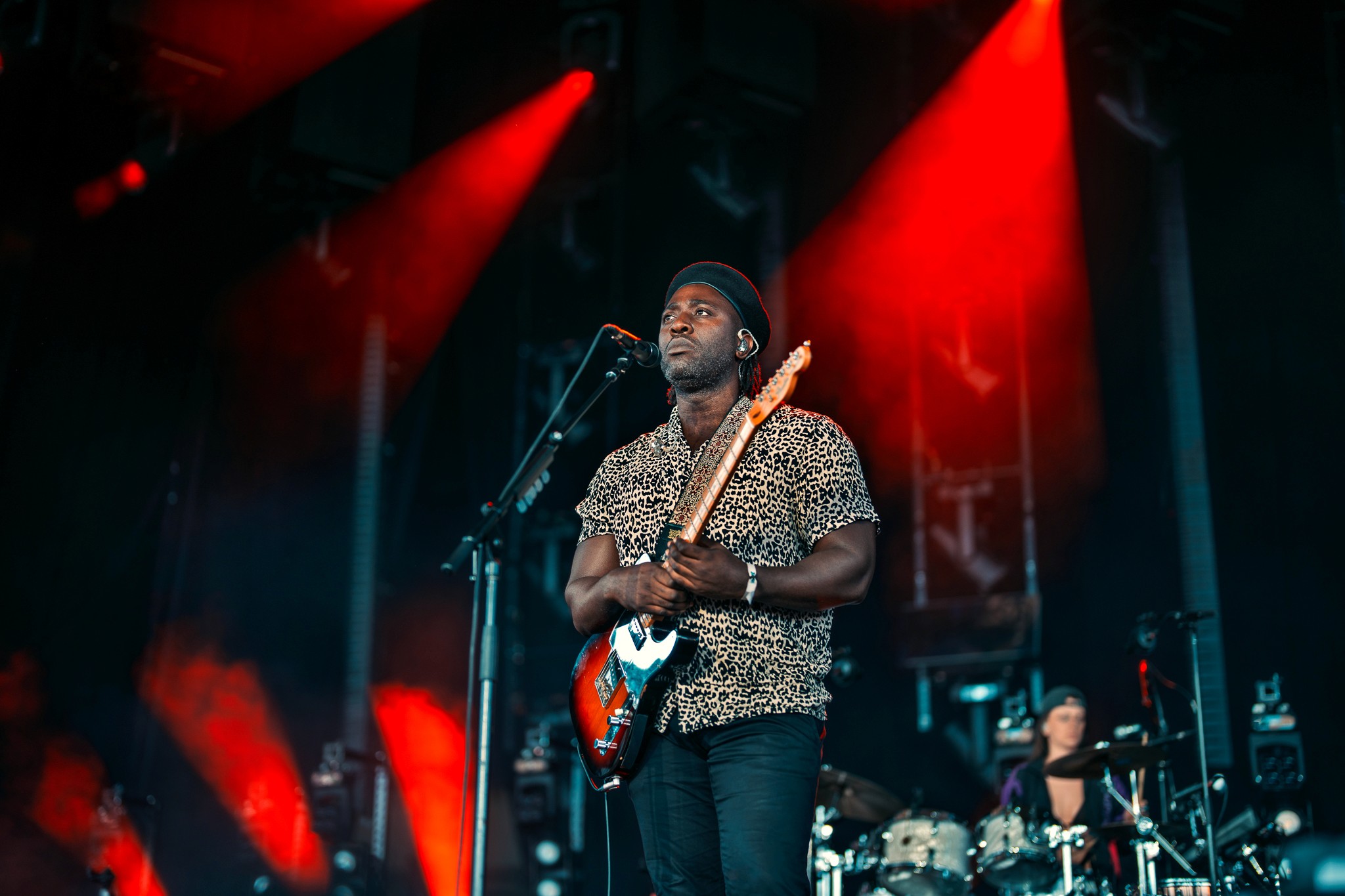
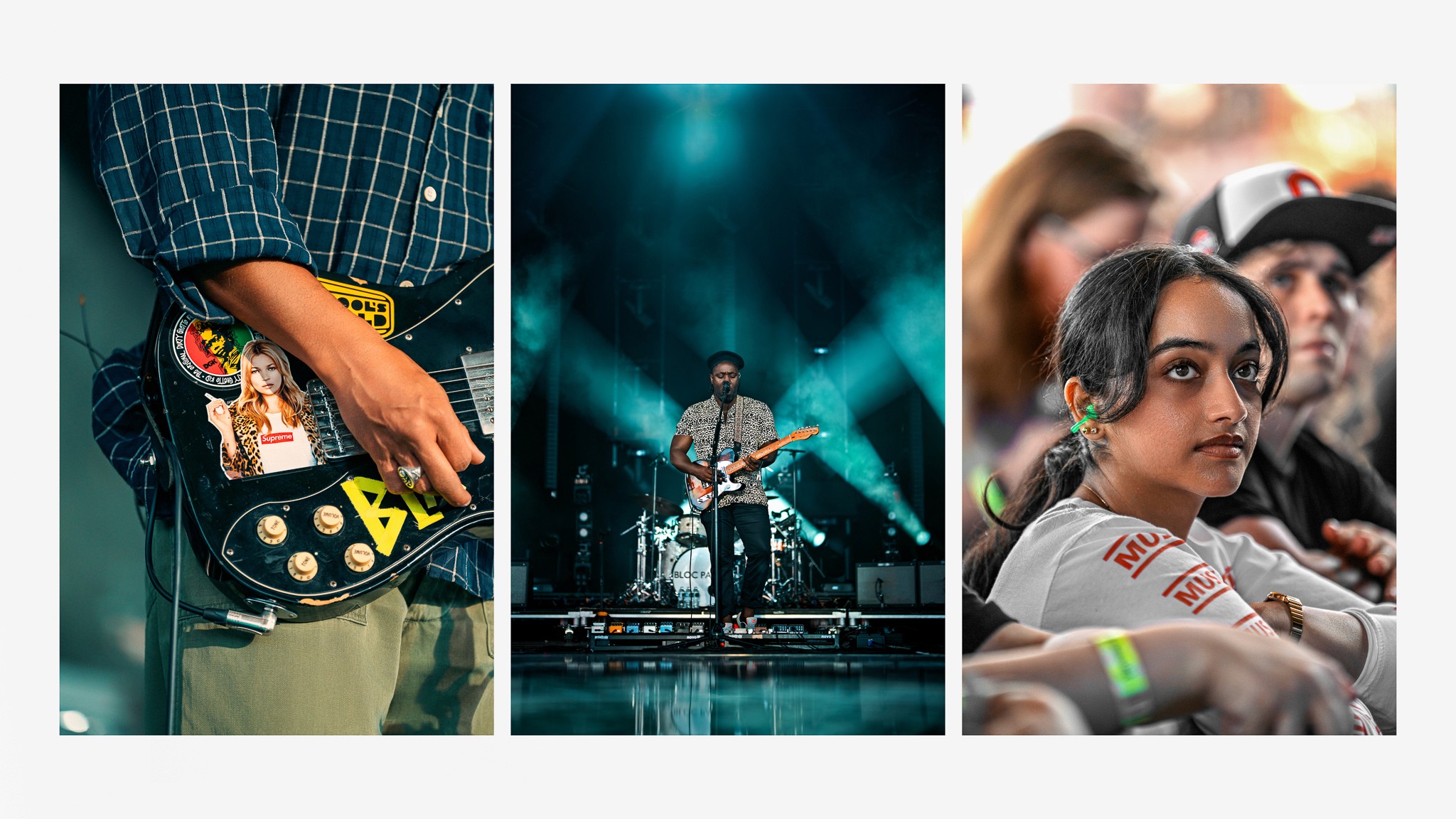
Seeing Bloc Party on a Midwestern stage feels long overdue for an entire generation of indie rock purists. The British post punk icons tore through their set with a lean, aggressive precision that completely justified the years of anticipation. Kele Okereke remains an incredibly compelling frontman, delivering angular rhythms and jagged vocals that cut cleanly through the humid air. Their performance was a clinic in rhythmic tension, a stark reminder of why the early aughts British guitar revival left such a permanent scar on the musical landscape.
What made the evening particularly fascinating was the human landscape out on the grass. The crowd was a massive, fluid collection of young and old, a rare demographic bridge where forty something parents who bought Absolution on compact disc stood shoulder to shoulder with teenagers wearing heavy eyeliner and thrifted neon jackets. It was a living archive of rock fandom, proving that the desire for massive, distorted communal experiences has not been entirely swallowed by the isolation of digital streaming platforms.
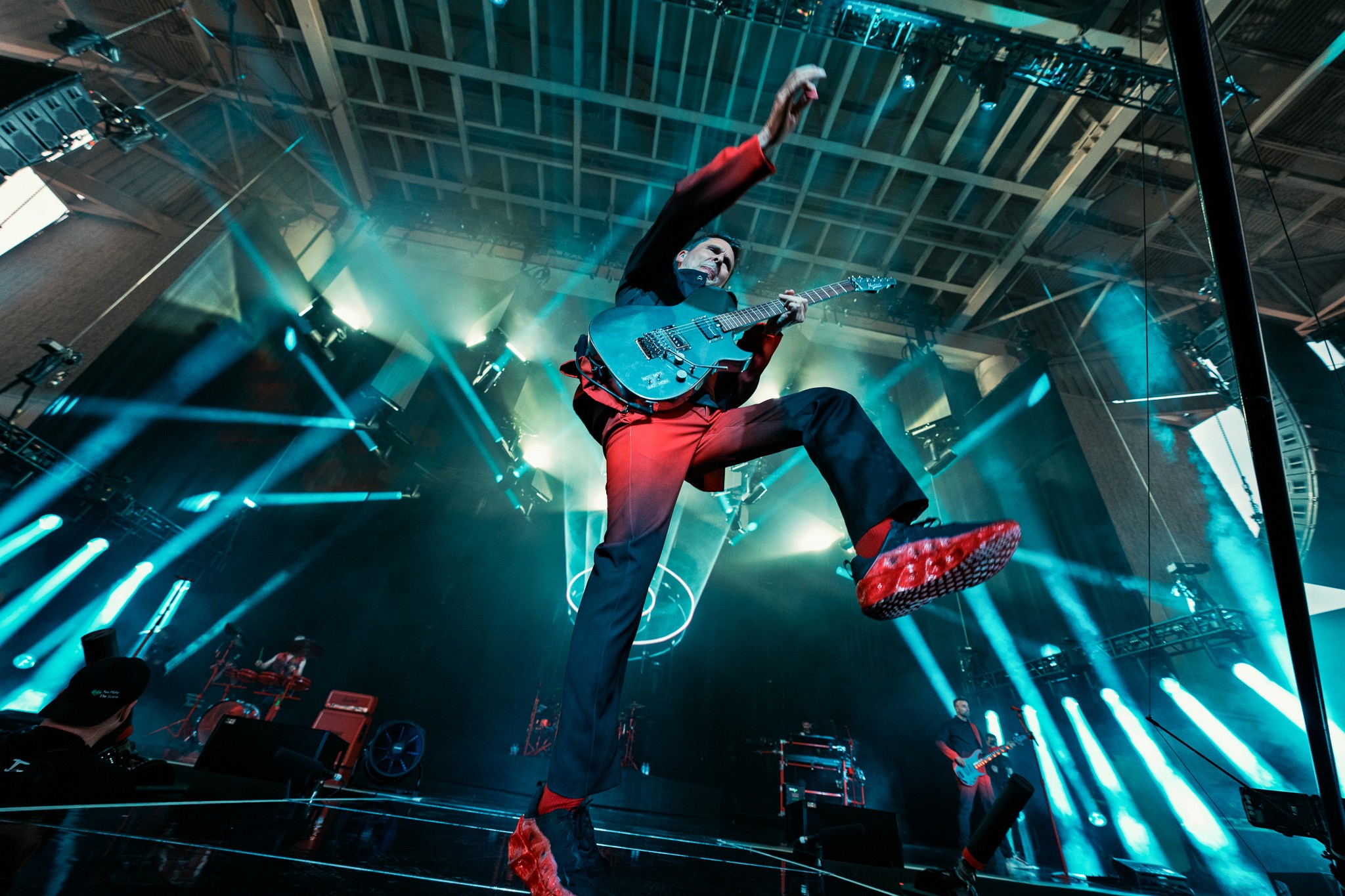
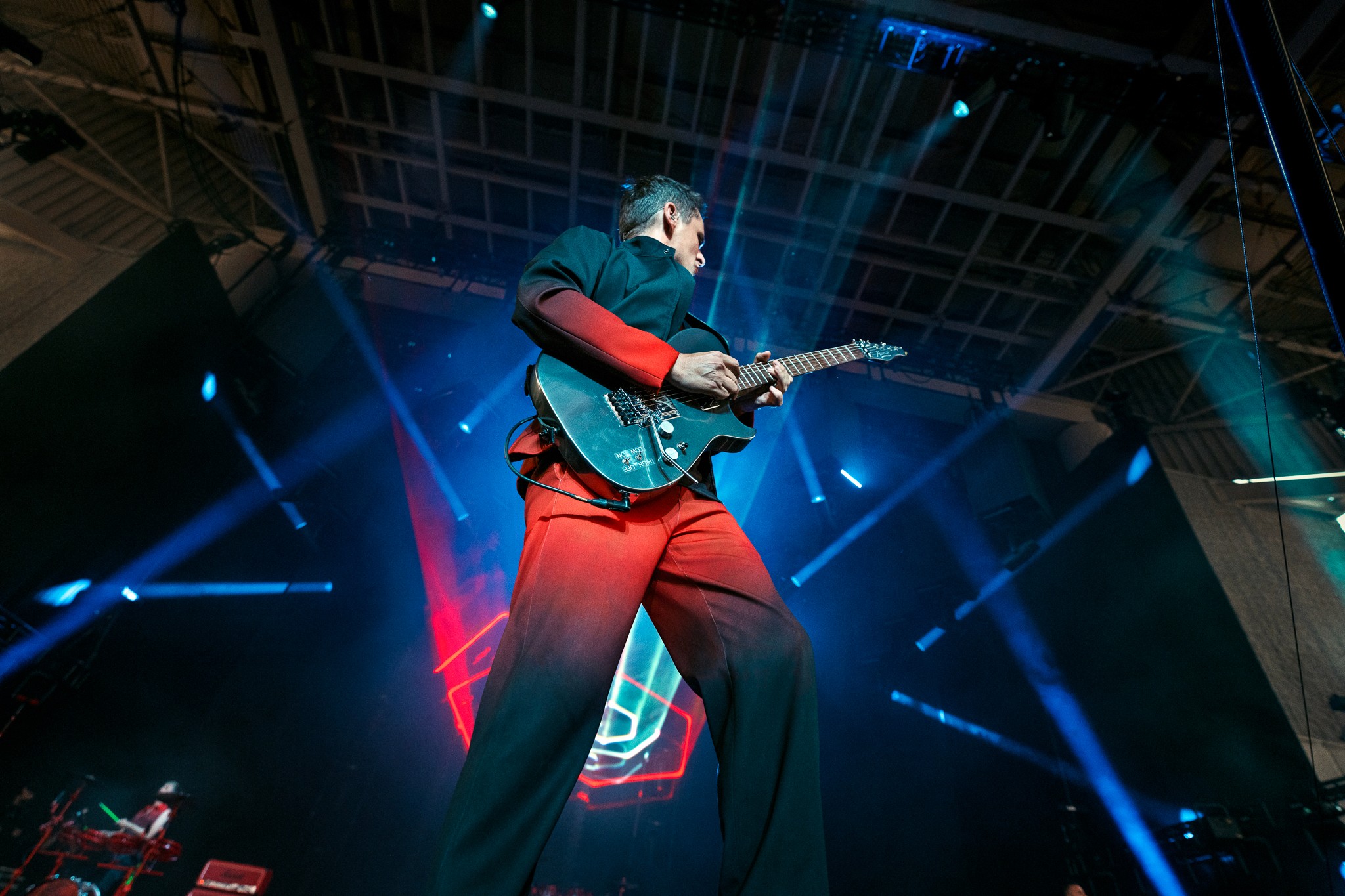
Then came the main event. Muse has long abandoned the concept of understatement, opting instead to turn the concert stage into a glowing, technicolor fortress of sci fi maximalism. The visual production was staggering, a relentless assault of laser grids, massive moving structures, and cyberpunk iconography that turned the Indiana night into a dystopian playground. Musically, Matt Bellamy, Dominic Howard, and Chris Wolstenholme remain an absolute powerhouse. The trio delivered a massive sonic wall, highlighted by the unexpected tour debut of Thought Contagion and an extended, crushing rendition of Supermassive Black Hole.
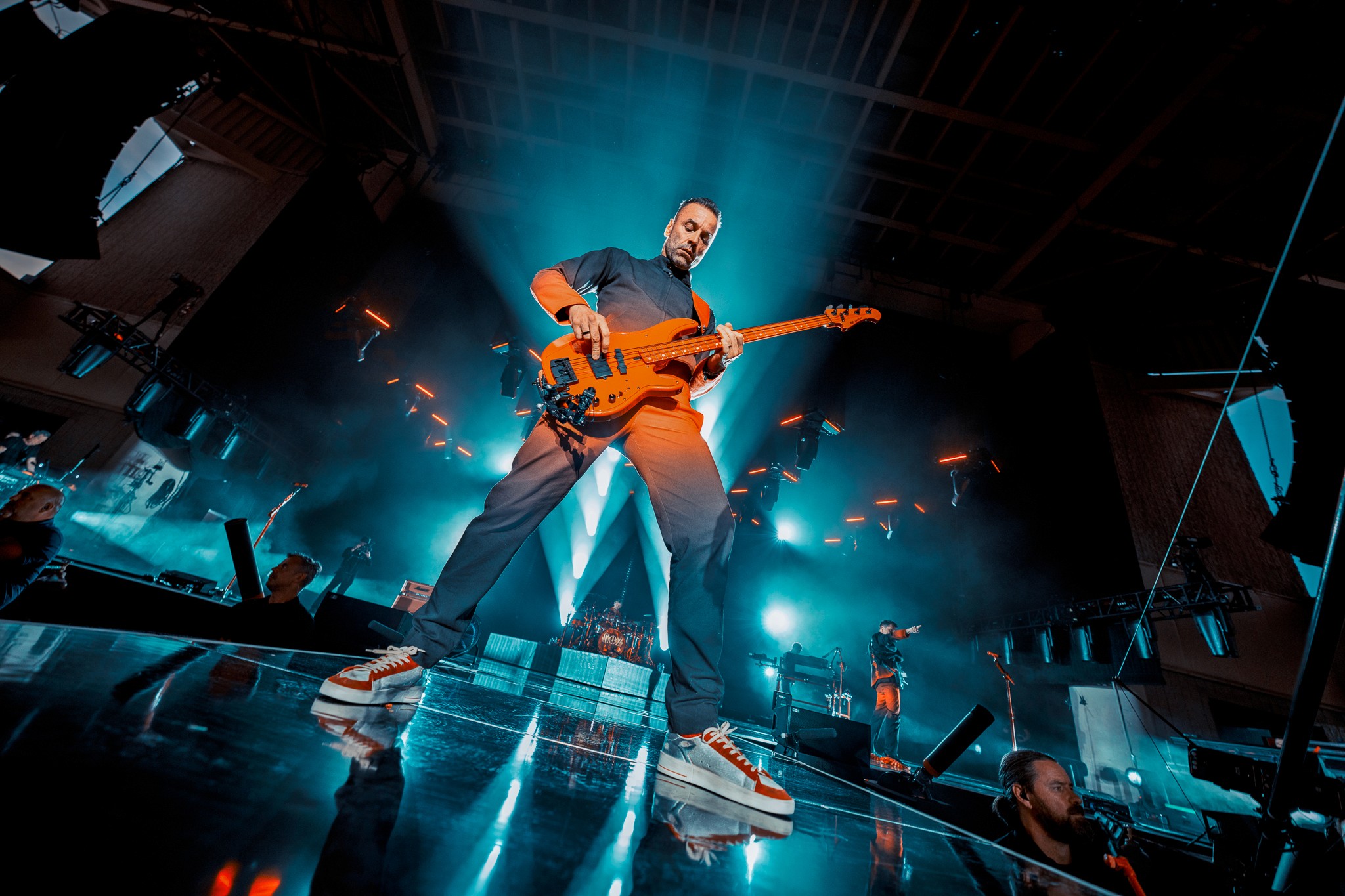

The setlist structure itself was a masterclass in theatrical curation, moving from heavy favorites like Hysteria and Psycho to deeper tonal shifts like Cryogen and Unravelling. One of the most compelling risks of the night was a shortened, heavy reinterpretation of Kill or Be Killed, utilizing the Felsmann and Tiley arrangement. Bellamy’s lead vocals were piped in on tape while Chris and Dom held down the rhythm section entirely live on bass and drums, creating a strange, disembodied industrial groove that felt appropriately mechanical.
They balanced these experimental moments with pure arena theater, floating from the cinematic sweep of Nightshift Superstar to the classic rock rebellion of Uprising. By the time they reached the inevitable climax of Knights of Cydonia, complete with the iconic Ennio Morricone harmonica introduction, the stadium had dissolved into a single, orchestrated wave of energy. They closed the book with an encore of Take a Bow, leaving the audience to walk back out into the dark Indiana parking lot, entirely spent by a performance that refuses to let the grand tradition of the stadium rock spectacle die a quiet death.



Let’s keep in touch.
Discover more about high-performance web design. Follow us on Twitter and Instagram.

