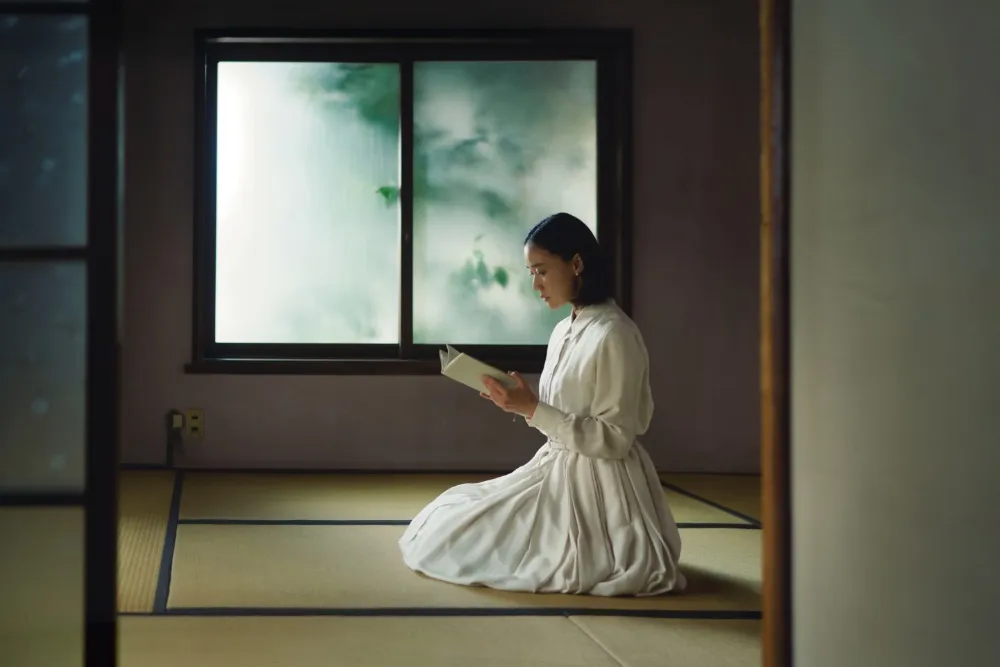

Bestselling novelist Maha Harada debuts In My Father's Room at San Sebastian and Busan, exploring art, memory, and societal expectations.
Modern culture is obsessed with utility. If you are not producing, consuming, or generating measurable value for a corporation, society tends to quietly write you off as dead weight. At 64 years old, bestselling Japanese author and former museum curator Maha Harada is directly confronting that modern neurosis. Her feature directorial debut, In My Father's Room, lands in competition at both San Sebastian and Busan after adapting her own short story, An Unnecessary Man. It is a quiet, stubborn refusal to accept that a human life should ever be measured by its economic output.
The film follows Satomi, played with quiet brilliance by Yu Aoi, a museum employee who finds herself laid off and sifting through the wreckage of her estranged father's life after his death. The father, Yuichi, played by Issey Ogata, is heavily modeled on Harada's real parent. He was a man who sold art books, gambled constantly, and caused endless headaches for everyone around him. Yet he was also the man who handed a ten year old girl a book on Picasso and introduced her to cinema masterpieces. He eventually died alone, an ending that most people would call tragic. Harada rejects that easy judgment, asking a far more uncomfortable question. If a person lives on their own terms and finds meaning in things invisible to the rest of the world, who gets to decide their life was a waste?
Moving from fiction to the director's chair meant Harada had to unlearn the total control of prose. Novelists dictate every sigh and shadow on the page. On set, her assistant director questioned her heavy stage directions, prompting her to trim her own script down to its bare essentials and let silence carry the weight. She bridges the gap between East and West by weaving the quiet, precise rituals of the Japanese tea ceremony alongside the heavy, contemplative canvases of Mark Rothko. The result relies on small gestures rather than explosive drama. In one striking sequence, Aoi returns home after losing her job and simply leaves a kitchen tap running, conveying complete existential fatigue without speaking a single line.
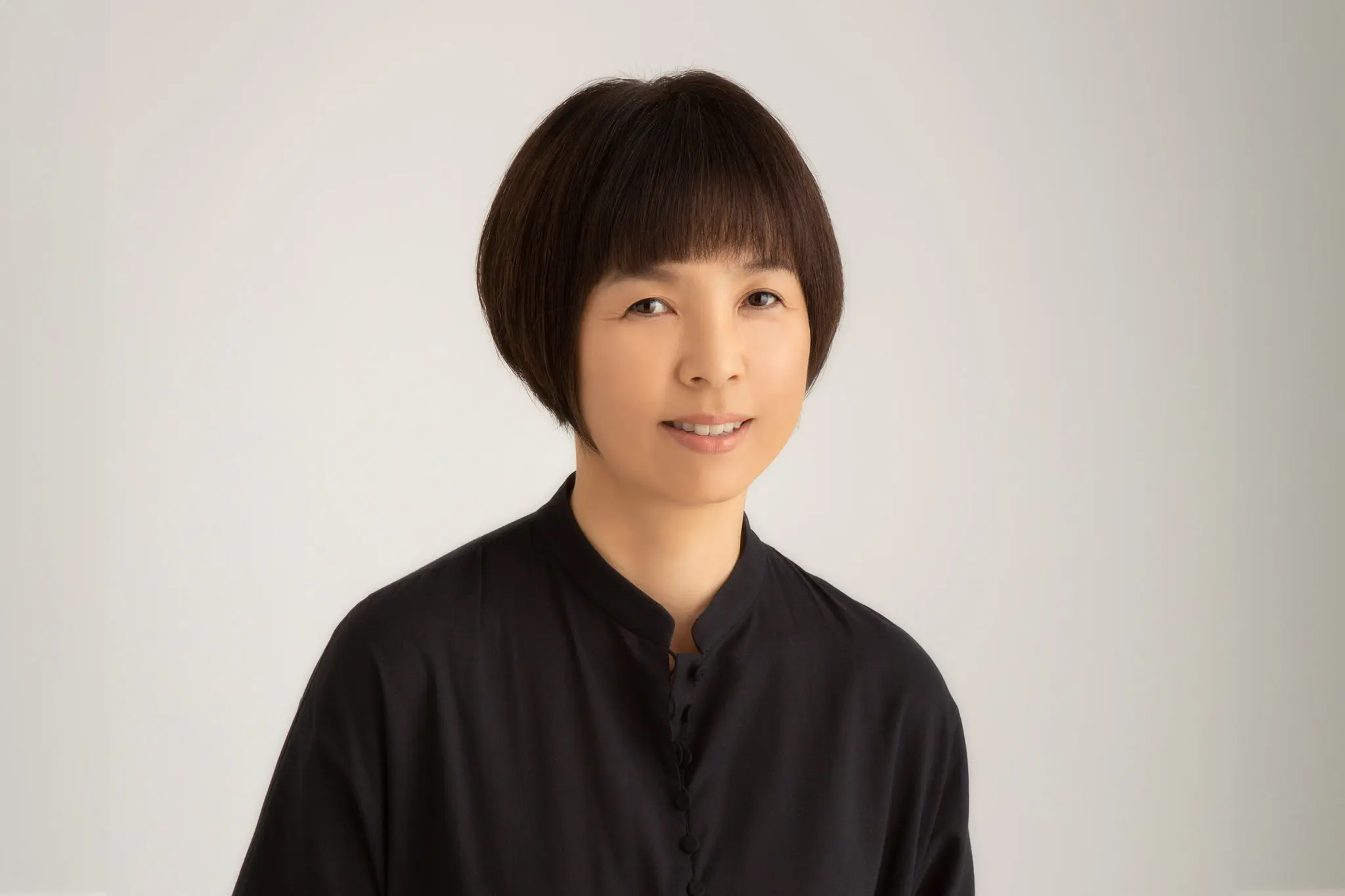
International distributors like Bitters End have already secured sales across France, Korea, Taiwan, and Hong Kong, proving that this unpretentious story translates far beyond Tokyo. Harada describes making her first feature at this stage of her life as a dream she hopes to never wake up from. She intends to keep writing books while directing more cinema, doubling down on a creative hunger that ignores age and industry expectations entirely.


Let’s keep in touch.
Discover more about high-performance web design. Follow us on Twitter and Instagram.