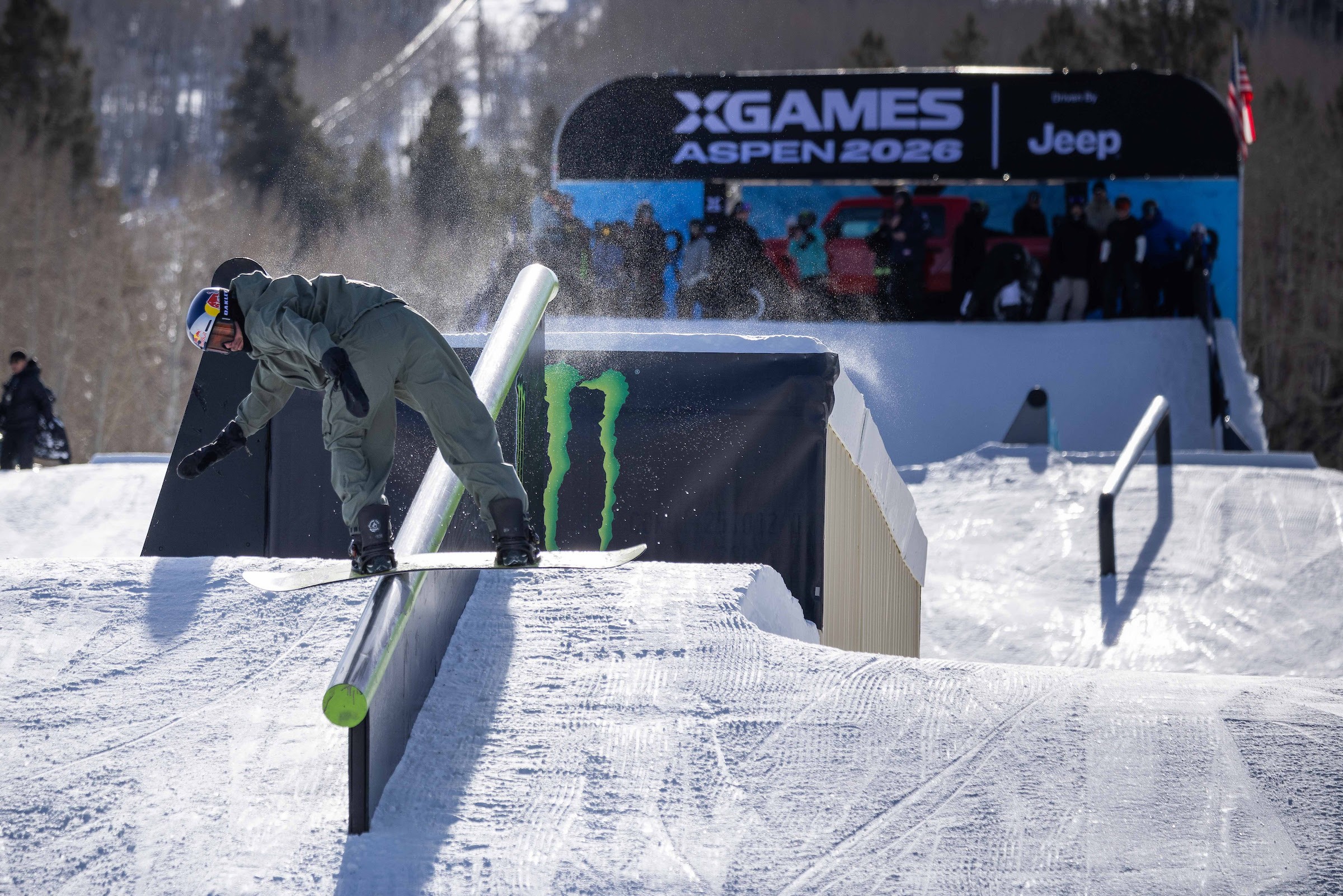

The new MoonPay X Games League secures a three year host agreement with Aspen Snowmass, introducing a team franchise format to winter sports.
There was a time when action sports felt like a collective middle finger to the corporate athletic establishment. The whole scene was cooked up in empty California swimming pools and on untracked backcountry peaks where the only currency that actually mattered was respect and a raw willingness to snap a collarbone for a clip. When the X Games arrived in the nineties, it capitalized on that lawless energy, turning alternative subcultures into a brilliant, chaotic television spectacle. Now, the evolution is hitting its logical, hyper-monetized conclusion. The wild west of the mountain has officially adopted the corporate franchise playbook.
With the latest announcement out of Colorado, the newly minted MoonPay X Games League has secured its winter anchor at Buttermilk Mountain through the 2029 season. This is not just a standard contract renewal for a partnership that has lived in Aspen since 2002. It is the public unveiling of a massive structural overhaul. Starting in January 2027, the traditionally lone-wolf pursuits of snowboarding and freeskiing will be folded into a year-round, team-based league featuring eight co-ed clubs. There will be drafts, regional franchise identities, and season-long point standings.
Look at someone like Mark McMorris. He cemented his legendary status in early 2026 by capturing his twenty-fifth career medal on the Aspen slopes, and he is now stepping up as a founding athlete for this new league format. For the riders, the motivation behind this shift is entirely practical and hard to fault. Action sports have historically been a brutal financial lottery. If you blew out your knee or missed a podium, your income plummeted, leaving you at the mercy of fickle apparel brands. A structured league model backed by major fintech capital promises expanded compensation and a reliable financial baseline that simply never existed during the sport’s outlaw era.
Yet, it is impossible to ignore the heavy irony of watching a culture built on pure non-conformity get neatly packaged into regional franchises. The very title of the enterprise, wrapped in the branding of a prominent cryptocurrency infrastructure firm, tells you exactly who is funding the future of the slopes. Action sports are no longer the underground alternative. They are a blue-chip asset class. Aspen itself, a high-altitude playground of luxury boutiques and multi-million-dollar real estate, serves as the ultimate backdrop for this transition. The valley is no longer populated by dirtbags living out of their wagons at the base of the hill. It is an arena for elite athletic corporations optimizing their global media footprint.
In the end, coolness is a commodity that always finds its market price. The launch of the league will undoubtedly push the boundaries of progression and secure the livelihoods of teenagers throwing triple corks into the freeze. But as freeskiing and snowboarding trade their renegade mythology for the predictable, packaged rhythms of a league schedule, you are left to wonder what happens to the soul of the sport when the rebellion gets drafted.


Let’s keep in touch.
Discover more about high-performance web design. Follow us on Twitter and Instagram.

