
An examination of the double standards hidden inside the term "Authenticity" for Brands.
Brands are using "authenticity" as a marketing tool, but it’s often staged and misleading. While consumers crave honesty, corporations simulate imperfection with big budgets, leaving independent creators at a disadvantage. This shift creates a paradox: audiences trust raw, unpolished content, yet corporate-controlled narratives dominate.
Corporate Authenticity: Controlled and Risk-Free
Big companies have mastered the art of “looking real” without actually being real. With full production teams and six-figure budgets, they create content that feels spontaneous but is meticulously planned. This approach, often called choreographed chaos, is all about engineering the illusion of authenticity while leaving nothing to chance.
Everything is calculated: grainy overlays added during editing, shaky handheld camera movements pre-planned to the last detail, and witty, self-deprecating captions crafted by marketing teams. Take Ryanair’s TikTok strategy in April 2026, for example. Their team used googly-eye filters and sarcastic jokes about baggage fees to create a post that racked up over 47,000 comments. It looked casual, but every aspect was carefully orchestrated. As Linda Orr, PhD, Founder of Orr Consulting, explains:
"Polish, on a healthy chunk of contemporary marketing, is now a skepticism trigger."
Corporations have figured out how to lean into this skepticism, feigning vulnerability while maintaining complete control over their narrative.
Independent Creators: Punished for Being Real
For independent creators, authenticity often backfires. A handmade wooden bowl photographed under dim kitchen lighting can lose up to 68% of its perceived market value - not because the craftsmanship is lacking, but because buyers, conditioned by corporate standards, see it as “unprofessional”.
This phenomenon, sometimes referred to as “corporate drag,” highlights the pressure small creators face to match the polished aesthetic of large brands. But this polish can backfire. Take The Flour Box Bakery, for instance. When Mrs. Gable swapped her cozy, dimly lit croissant photos for sleek, marble-countertop images, her community engagement plummeted. Her loyal customers assumed the bakery had been sold to a corporate entity, and the polished look eroded trust instead of building it. As Sir Ernesto, a Brand Strategist, puts it:
"The corporate gloss is a predator. The corporate gloss eats the thumbprint. The corporate gloss replaces the story with a brochure."
Independent creators find themselves in a no-win situation. If they polish their work to appeal to corporate expectations, they risk alienating the audience that values their individuality.
Corporate vs. Independent: A Side-by-Side Breakdown
Corporate | Independent | |
|---|---|---|
Tactics | Carefully staged “authenticity” with grain effects, scripted stumbles, and self-deprecating humor | Genuine moments of imperfection and visible craftsmanship |
Rewards | High engagement, perception of relatability, and no real narrative risk | Strong community trust, a distinct market identity, and loyal followers |
Penalties | Potential backlash if their staged authenticity is exposed | Loss of perceived value due to “unpolished” presentation - what some call the “Yellow Bulb Tax” |
Production | Expensive teams creating content that only looks low-budget | Lean teams focused on the actual work |
Goal | Fake vulnerability while staying in control | Showcase genuine care and effort |
The Sanitized Creative Economy
How Algorithms and Client Demands Kill Originality
As brands refine their version of controlled "authenticity", algorithms and client expectations continue to squeeze originality out of local creators. This push for a narrowly defined aesthetic leaves the creative landscape looking increasingly uniform. Michael Duffy, SVP and Global Creative Director at Equator Design, sums it up perfectly:
"Neutrality is not safety. It is invisibility with extra steps."
Meta’s 2026 algorithms prioritize content that maximizes watch time and saves, pressuring creators to stage spontaneity. Safe, formulaic content gets rewarded, encouraging everyone to follow the same script. Erin McBean, Executive Producer and Managing Director at Infinity Squared, highlights the problem:
"Authenticity isn't something you can manufacture in post-production. It's built into the process and is part of how a project is briefed."
Corporate briefs often demand "authentic" content but with rigid, pre-approved guidelines. This calculated approach strips away originality before a project even begins, producing a sanitized aesthetic that leaves little room for creative freedom.
What Gets Lost When Local Creators Conform
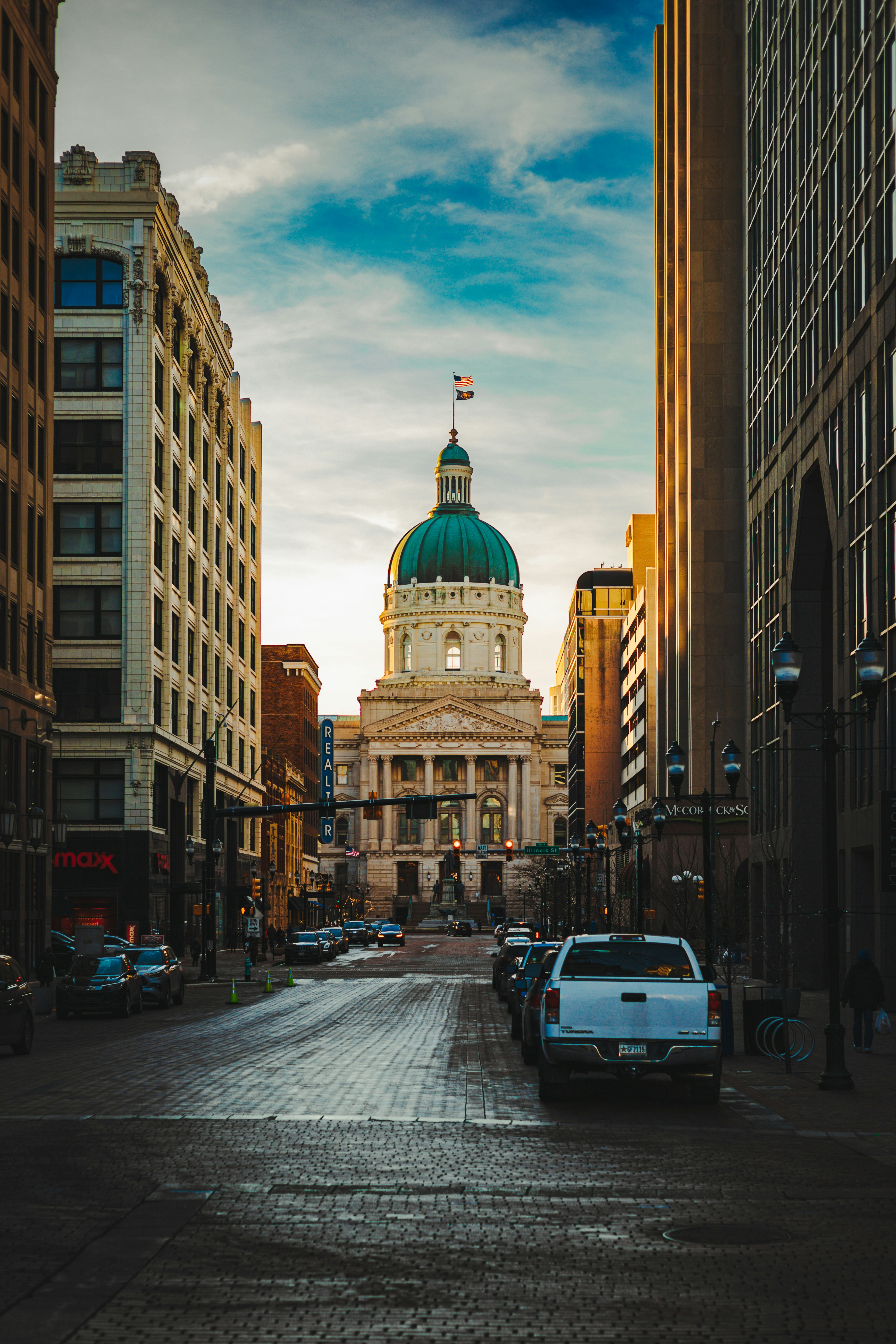
These automated rules and corporate demands often lead to the erasure of individuality at the local level. When a photographer in Indianapolis, a muralist in Detroit, or a food filmmaker in Houston adjusts their work to fit corporate expectations, they lose the unique, community-rooted elements that made their art special. This phenomenon, referred to as competitive convergence - the pressure to conform to corporate aesthetics - forces creators to smooth out their edges, often at the cost of their connection to their communities.
Ironically, audiences are showing a clear preference for raw, unpolished content. User-generated content drives 6.9 times higher engagement compared to polished, brand-produced material. Yet, many local creators never get the opportunity to showcase their authentic voices because corporate guidelines filter them out. On top of that, the cost of retouching - often exceeding $125 per hour - drains already limited budgets that could otherwise support original, heartfelt work. This sanitized approach reveals a glaring double standard: corporates favoring "safe" authenticity while sidelining the raw, genuine creativity that audiences actually crave.
Radical Visual Honesty: How to Break the Pattern
Earlier, we explored how corporate guidelines and algorithm-driven demands often dilute local creative voices into a bland, indistinct visual landscape. The fix isn't about adding more gloss - it's about embracing raw, unfiltered authenticity.
Document the Friction, Not Just the Win
Most branded content showcases a polished final product, but audiences are increasingly skeptical of perfection. Real stories thrive on unresolved tension. Highlight the hiccups, the pivots, even the failures along the way.
This isn't about being messy or self-indulgent - it’s a calculated approach. Take Q3 2025, for example, when Jamila Osman, Creative Director at Soft Services, swapped a $40,000 studio shoot for iPhone footage filmed in a CVS bathroom. This friction-first strategy led to a 61% week-over-week boost in click-through rates on Meta and slashed the CPA from $38 to $22 in just a month. The content wasn’t polished, but it was specific - and that specificity is what grabs attention in a crowded feed.
"We used to think of creative as something we made. Now we think of it as something we're always in the middle of making." - Jamila Osman, Creative Director, Soft Services
Of course, raw documentation works best when paired with precision.
Raw Content, High-End Execution
Raw doesn’t mean sloppy. Great storytelling still demands technical excellence. Poor sound, shaky visuals, or bad color grading can undermine even the most genuine narrative - turning audiences off before they can connect.
The sweet spot lies in combining unscripted, authentic moments with sharp production quality. Smaller crews can help create an environment where natural moments unfold, while AI tools can handle repetitive tasks like culling, noise reduction, and color correction. But the final creative calls? Those need a human touch. The result is content that feels alive and intentional.
Stop Chasing Institutional Approval
Even with raw storytelling and polished execution, creators must resist the urge to seek validation from institutions that often dilute creative work. Corporate committees, legal reviews, and risk-averse feedback loops tend to strip away the very details that make content resonate emotionally.
"The brand that admits its flaws before you can name them has already won the credibility argument. Self-exposure isn't vulnerability - it's the preemptive collapse of the distance audiences distrust." - Direct Message News Editorial Team
Authenticity outweighs perfection. A consistent body of work, genuine third-party endorsements, and unfiltered human moments are signals that no production budget can replicate. The creators leading the charge in 2026 aren’t waiting for approval - they’re already moving forward, leaving the old rules behind.
High-End Production Meets Editorial Independence
Future Gold Media operates as both a full-service production company and an independent news outlet. Based in Indianapolis, they work with creators who reject polished, corporate narratives. From athletes to artists and organizations, their focus is on helping clients build lasting visual legacies on their own terms.
Their production process eliminates the rigid oversight that often stifles creativity. Instead of overstaffed sets dominated by client input, they use smaller, more agile crews. Clients remain off-set, allowing directors the freedom to capture unscripted, authentic moments that no amount of editing can replicate. By combining these raw moments with precise production techniques, they demonstrate that authenticity doesn’t need to be compromised to achieve excellence. In an era where generative AI can produce flawless visuals for free, the value of genuine human vision has only grown. Future Gold Media’s approach ensures that the storyteller’s voice remains at the heart of every project, from initial concept to final cut.
A Roadmap for Non-Conformist Creators
Their editorial platform highlights artists who push boundaries, showcasing creators who develop their own visual styles rather than relying on tired industry formulas. Their method is straightforward: cast based on the story, prioritize narrative integrity over client preferences, and use technical expertise to enhance raw emotion. For independent creators frustrated with being forced into corporate-approved aesthetics, this isn’t just a source of inspiration - it’s a proven model that works. Operating from the Midwest, Future Gold Media offers a blueprint for reclaiming creative control and building trust through authenticity. This dual focus empowers creators to define their own visual legacies on their own terms.
The Choice Every Independent Creator Has to Make
Breaking away from the trap of manufactured authenticity isn’t just bold - it’s essential for independent creators navigating a landscape riddled with corporate double standards. The game is rigged, and you have to decide: will you follow their rules or chart your own path?
Taking Authenticity Back from Corporate Committees
Every time creators adjust their work to align with client expectations, they trade away the kind of credibility that only comes from creating something real. As Linda Orr, PhD, explains:
"The cost of looking professional has dropped to the floor. The cost of being verifiably real has not."
This shift toward reclaiming credibility underscores the importance of genuine, consistent work. A body of work that’s timestamped, coherent, and rooted in a specific human perspective stands as proof of authenticity - something no tool or budget can fake or rush. Reclaiming authenticity means making choices that reflect your true values, not those of the person signing your paycheck.
What You Gain by Refusing to Play It Safe
The numbers tell a compelling story. Creator-driven and user-generated content delivers 6.9x higher engagement than traditional brand-produced content. On top of that, 79% of consumers say this kind of content influences their buying decisions, compared to just 13% for polished, branded alternatives. Brands that lean into their imperfections build a trust that no amount of production value can replicate. It’s about consistency - a voice that resonates over years, not just quarters.
"The brand that admits its flaws before you can name them has already won the credibility argument. Self-exposure isn't vulnerability - it's the preemptive collapse of the distance audiences distrust." - Direct Message News Editorial Team
Choosing not to sanitize your work doesn’t just enhance engagement - it creates a legacy. Creators who focus on provenance, friction, and a transparent track record are building something that AI can’t duplicate and corporate committees can’t manufacture. By 2026, this will be the only approach that truly holds weight.
Let’s keep in touch.
Discover more about high-performance web design. Follow us on Twitter and Instagram.